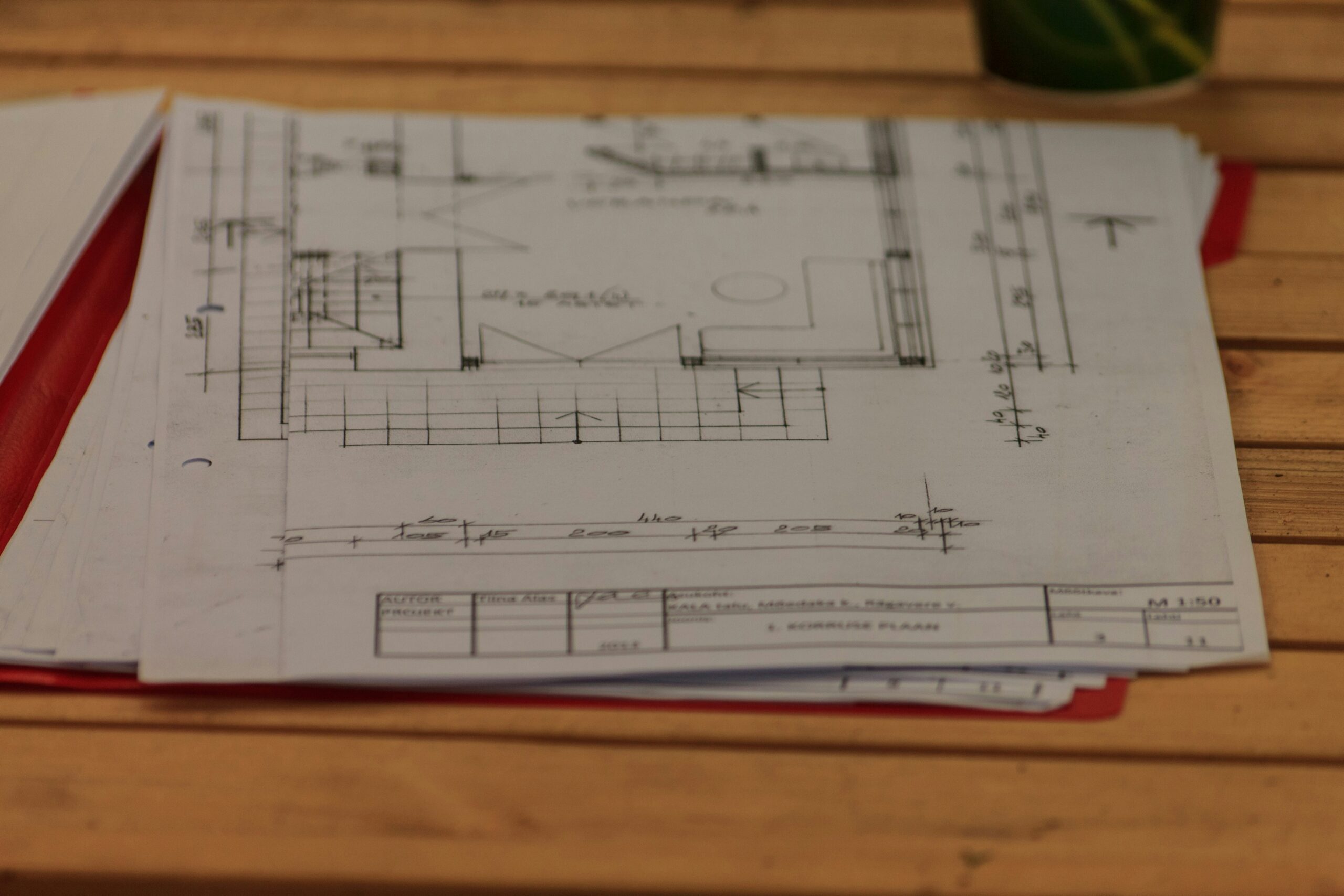
For many homeowners, the kitchen is more than just a place to cook; it’s the vibrant heart of the home, a hub for family gatherings, and a significant driver of property value. Yet, a kitchen that feels outdated, dysfunctional, or disconnected from your lifestyle can become a daily source of frustration rather than joy. A well-executed remodel is the solution, but it requires more than just selecting new cabinets and countertops. It demands a strategic blueprint that balances aesthetic appeal with ergonomic efficiency and long-term investment. This guide provides a professional framework to navigate your renovation, ensuring the final result enhances both your daily life and your home’s market worth.

Phase 1: The Foundational Blueprint – Planning and Design
Every successful remodel begins long before the first wall is touched. This initial phase is about defining your vision, constraints, and functional needs to create a roadmap that guides every subsequent decision.
Define Your Goals and Budget
Start by asking the critical questions: What are your primary pain points? Is it a lack of storage, poor workflow, or an enclosed, isolating layout? Are you remodeling for your own long-term enjoyment or to increase resale value? Your answers will shape the project’s scope. Concurrently, establish a realistic budget, including a contingency fund of 15-20% for unforeseen issues. Be clear on what you’re willing to invest versus where you can save.
Master the Work Triangle and Zoning
The classic work triangle (connecting sink, stove, and refrigerator) remains a cornerstone of functional design, aiming to create efficient movement between these key points. Modern design expands on this with the concept of zoning. Think about creating distinct zones for preparation (with landing space near the fridge and sink), cooking (stove, oven, ventilation), cleaning (sink, dishwasher, waste/recycling), and often a non-cooking zone for homework or entertaining. This approach organizes the kitchen around activities, not just appliances.
Professional Design: Worth the Investment
While DIY design tools are helpful, consulting with a certified kitchen designer (CKD) or architect can be transformative. They bring expertise in space planning, building codes, and material selection, helping you avoid costly mistakes and uncover innovative solutions you might not have considered. They translate your vision into actionable, buildable plans.
Phase 2: The Core Elements – Cabinetry, Countertops, and Appliances
These three elements represent the bulk of your budget and have the greatest impact on both function and style. Selecting them requires a balance of quality, aesthetics, and practicality.
Cabinetry: The Backbone of Storage and Style
Cabinets dictate the kitchen’s visual tone and provide essential storage. Focus on quality construction (dovetail joints, solid plywood boxes) over decorative fronts if budget is tight. Optimize function with full-extension drawer glides, thoughtful interior organizers (tray dividers, pull-out pantries), and a mix of drawers and doors. A timeless shaker-style door in a neutral finish often offers the best return on investment.
Countertops: The Marriage of Surface and Substance
Your countertop choice must withstand daily use while complementing your design. Quartz remains a top choice for its durability, non-porous nature, and consistency. Natural stone like granite or marble offers unique beauty but requires more maintenance. Butcher block adds warmth but needs sealing. Consider different materials for different zones—a durable quartz for the main prep area and a striking marble slab for the island, for instance.
Appliances: Investing in Performance and Efficiency
Appliances are the workhorses of your kitchen. Prioritize performance and energy efficiency over flashy, unnecessary features. A powerful, quiet range hood is critical for air quality. Invest in a quality cooktop and oven if you love to cook. For integrated looks, consider panel-ready refrigerators and dishwashers. Always measure appliance dimensions meticulously during the design phase.
Phase 3: Enhancing Function and Atmosphere
With the major elements decided, the details will elevate your kitchen from simply new to truly exceptional. These layers add personality, improve usability, and modernize the space.
Lighting: Layering for Task and Ambiance
A single ceiling fixture is insufficient. Implement a layered lighting plan: bright task lighting under cabinets and over key work zones, ambient lighting (like recessed lights or a central fixture) for overall illumination, and accent lighting (inside glass cabinets or toe-kick lights) to add depth and drama. Dimmers on all circuits are non-negotiable for controlling mood.
Flooring and Backsplash: Durability Meets Design
Flooring must be resilient, comfortable underfoot, and easy to clean. Porcelain tile, luxury vinyl plank (LVP), and engineered hardwood are excellent, durable choices. The backsplash is your opportunity to inject color, texture, and personality. It’s also a protective surface. Materials like ceramic tile, glass, or stainless steel are both practical and stylish.
The Power of the Kitchen Island
If space allows, an island is a transformative addition. It provides extra prep space, casual seating, and storage. For maximum function, ensure it’s at least 4 feet long and 2 feet deep, with proper clearance (42-48 inches) around all sides. Incorporate electrical outlets, consider a second sink or dishwasher drawer, and choose a countertop material that suits its intended use.
Phase 4: Execution and Final Touches
A flawless plan is only as good as its execution. This phase is about managing the process and adding the finishing details that make the kitchen uniquely yours.
Choosing Your Contractor and Managing the Timeline
Vet contractors thoroughly: check licenses, insurance, references, and view past projects. A detailed, written contract is essential. Understand the project sequence—demolition, rough-ins (electrical, plumbing), installation, finishes—and prepare for disruption. Clear, consistent communication with your contractor is the key to navigating the inevitable hiccups.
Finishing Touches: Hardware, Faucets, and Color
Cabinet hardware and faucets are the “jewelry” of the kitchen. They offer an affordable way to update the style. Choose comfortable, high-quality pulls and a high-arc, pull-down faucet for practicality. Finally, use color strategically. A neutral palette for large, expensive items (cabinets, counters) allows for pops of color in easily changeable elements like wall paint, barstools, and accessories, keeping the kitchen adaptable over time.
Conclusion: Crafting Your Kitchen Legacy
A successful kitchen remodel is a deliberate fusion of visionary planning, informed material selection, and meticulous execution. By following this professional blueprint—starting with a deep understanding of your needs, investing wisely in the core functional elements, and paying attention to the layers of light and detail—you create far more than just a new room. You forge a space that simplifies daily routines, fosters connection, and reflects your personal style. Ultimately, this approach yields a kitchen that delivers profound daily satisfaction while solidifying its role as a valuable, enduring asset to your home. The result is a legacy of function, beauty, and value that you will enjoy for years to come.
Photo Credits
Photo by K O on Unsplash
- How Flooring Choices Affect Home Performance – 15/01/2026
- How Bathroom Remodeling Improves Comfort – 15/01/2026
- Understanding Home Improvement Project Benefits – 15/01/2026

•
Leave a Reply