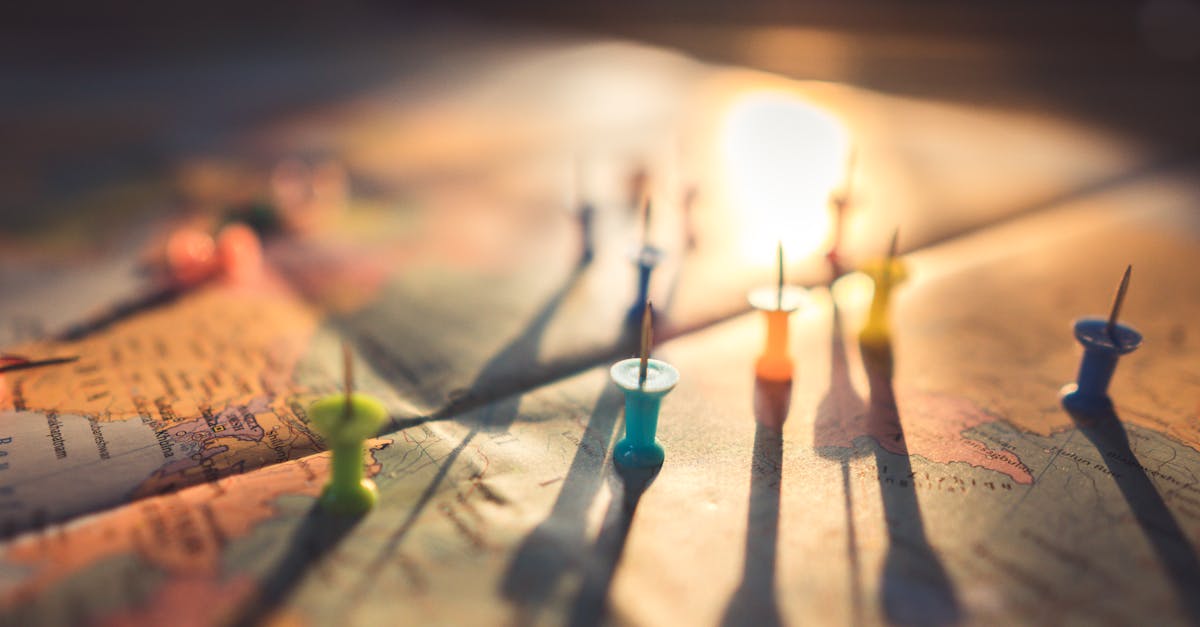
The prospect of a new journey sparks excitement, but the path from inspiration to departure can feel overwhelming. Effective travel planning transforms that uncertainty into anticipation, turning a list of ideas into a seamless, memorable experience. This guide provides a structured approach to navigating the essential phases: choosing your destination, building a realistic budget, and preparing for a smooth trip.
Phase One: Defining Your Destination and Travel Style
Before searching for flights or accommodations, the most critical step is introspection. Clarifying what you want from your trip will inform every subsequent decision, from location to daily itinerary.
Identifying Your Travel Motivations
Are you seeking cultural immersion, culinary adventures, or pure relaxation on a beach? Your primary goal should be the compass for your planning. A trip centered around visiting historical sites will look vastly different from one focused on hiking remote trails.
Consider these common travel styles to help frame your thinking:
- Cultural & Historical: Prioritizes museums, architecture, local festivals, and guided tours.
- Adventure & Nature: Focuses on outdoor activities like hiking, kayaking, wildlife safaris, or skiing.
- Relaxation & Wellness: Emphasizes resorts, spas, quiet beaches, and a slower pace.
- Urban Exploration: Revolves around city life, dining, shopping, nightlife, and public transit.
- Culinary & Wine: Plans around food markets, cooking classes, vineyard tours, and restaurant reservations.
Researching and Shortlisting Potential Locations
With a preferred style in mind, begin exploring destinations that align. Use a mix of travel blogs, official tourism boards, and detailed guidebooks for a balanced view. Pay close attention to practical factors that will impact your enjoyment.
- Seasonality & Weather: A destination’s charm can change dramatically by season. Research climate patterns, peak tourist seasons, and potential for disruptive weather.
- Travel Logistics: Consider flight availability and duration, visa requirements, and the ease of internal transportation.
- Local Culture & Pace: Does the local vibe match your energy? A bustling metropolis offers constant stimulation, while a rural village provides tranquility.
- Special Events: Aligning your trip with a festival can be magical, but it may also mean higher prices and crowds.
Phase Two: Building a Realistic and Flexible Budget
A clear financial plan is the foundation of stress-free travel. It allows you to enjoy your experiences without worrying about overspending. Break down your budget into clear categories, researching average costs for your chosen destination.
Major Fixed and Variable Costs
Start with the large, typically non-negotiable expenses. These often constitute the bulk of your spending and should be booked first.
- Transportation: International/domestic flights, train passes, or rental cars. Use fare comparison tools and consider flexible date searches.
- Accommodation: Hotels, vacation rentals, hostels, or boutique inns. Balance location, amenities, and reviews against cost.
- Travel Insurance: A non-negotiable for medical emergencies, trip cancellation, or lost baggage. Factor this in from the start.
Next, estimate your daily variable expenses. These are where you have the most control to adjust your budget up or down.
- Food & Drink: Budget for meals, snacks, and beverages. Research if your destination is generally expensive or affordable for dining.
- Activities & Entertainment: Museum entry fees, tour costs, event tickets, and equipment rentals.
- Local Transportation: Subway fares, taxi rides, ride-shares, or fuel for a rental car.
- Souvenirs & Miscellaneous: Always allocate a buffer for unexpected purchases, tips, and minor emergencies.
Smart Budgeting Strategies
Creating a budget is one thing; sticking to it is another. Implement these tactics to manage your finances effectively while abroad.
- Use a Dedicated Travel Fund: Save systematically in a separate account to avoid dipping into regular savings.
- Track Expenses in Real-Time: Use a simple app or spreadsheet to log daily spending against your planned budget.
- Prioritize Experiences: Decide what matters most. You might choose a modest hotel to afford a special guided tour or a coveted restaurant reservation.
- Build in a Contingency: Add a 10-15% buffer to your total budget for unforeseen opportunities or costs.
Phase Three: Logistics and Preparation for a Smooth Journey
The final stage involves tying up all loose ends. Thorough preparation minimizes hassles and maximizes your time enjoying the destination itself.
Essential Pre-Departure Checklist
Do not leave these critical tasks for the last minute. Addressing them early provides peace of mind.
- Documents: Ensure your passport is valid for at least six months beyond your return date. Secure necessary visas well in advance.
- Health Preparations: Schedule any required or recommended vaccinations. Refill prescriptions and pack a basic medical kit.
- Financial Setup: Notify your bank and credit card companies of your travel plans to avoid frozen accounts. Obtain a small amount of local currency for arrival.
- Home Arrangements: Set up mail holds, arrange pet or plant care, and put lights on timers for security.
Packing and Day-of-Departure Tips
How you pack can significantly affect your mobility and comfort. Adopt a minimalist mindset focused on versatility.
- Pack Light: Choose a color-coordinated capsule wardrobe with layers. Favor versatile pieces that can be mixed and matched.
- Carry-On Essentials: Always pack medications, a change of clothes, vital documents, chargers, and valuables in your carry-on luggage.
- Digital Organization: Have digital copies of passports, itineraries, and reservations stored securely on your phone and in the cloud.
- Final Review: Confirm flight times online, check in early, and allow ample time for airport security procedures.
Embracing the Journey with Confidence
While meticulous planning provides a crucial framework, the true spirit of travel often lies in the spontaneous moments and cultural connections that unfold unexpectedly. The process outlined here—defining your style, building a budget, and preparing logistics—is designed to create a secure foundation from which you can explore freely.
By investing time in these preparatory stages, you shift your mental energy from managing details to fully immersing yourself in the experience. You gain the confidence to navigate new environments, adapt to minor changes, and absorb the unique rhythms of your destination. Ultimately, effective travel planning is the tool that unlocks a more profound, enjoyable, and personally rewarding adventure, allowing you to return home with rich memories rather than unresolved stress.
- The 2026 Aviation Training Guide – 23/04/2026
- The 2026 Home Water Purity Guide – 22/04/2026
- The Business Mobile Solutions Guide – 20/04/2026

Leave a Reply