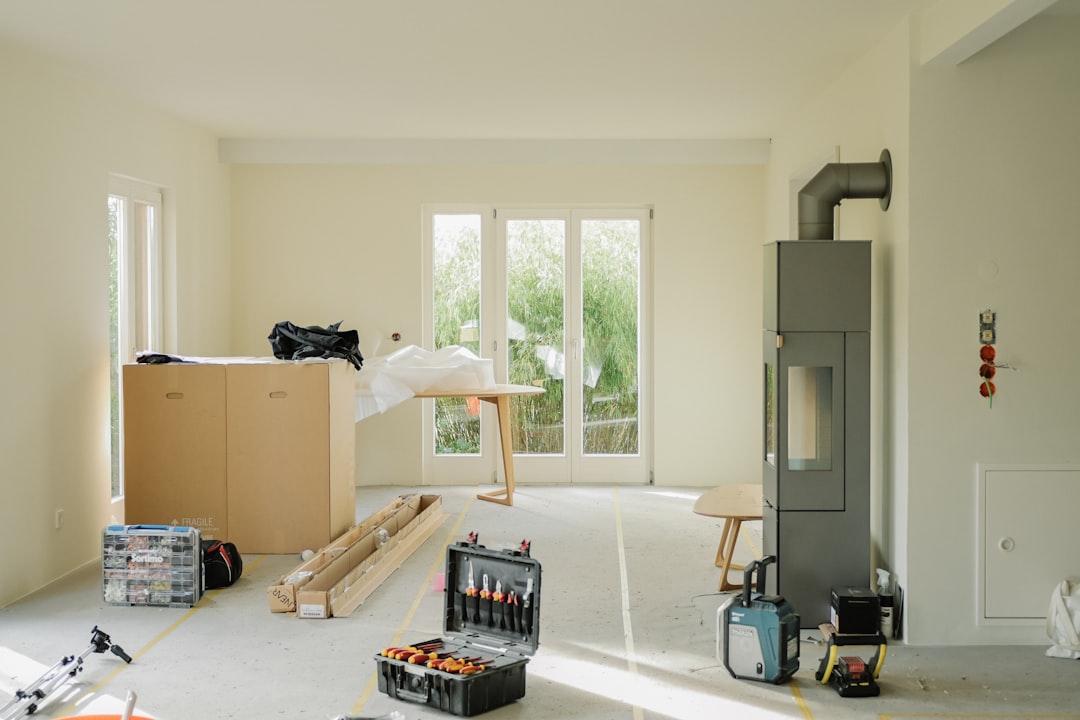
A finished basement is more than just extra square footage; it’s a transformative investment in your home’s functionality, comfort, and value. Whether you envision a cozy family retreat, a dedicated home office, or an entertainment hub, the journey from a raw, underutilized space to a polished living area requires thoughtful planning. This guide will walk you through the essential steps, from initial concept to final details, helping you navigate the exciting process of a basement transformation.
Defining Your Vision and Purpose
Before sketching a single layout, the most critical step is to define the primary function of your new space. Your intended use will dictate nearly every decision that follows, from electrical requirements to flooring choices. A clear vision prevents costly mid-project changes and ensures the final result aligns perfectly with your lifestyle.
Popular Basement Design Concepts
Consider which of these common concepts best suits your needs:
- The Entertainment Center: Ideal for movie nights and game days. This layout often features a large media area, a wet bar or kitchenette, and flexible seating.
- The Guest Suite or In-Law Apartment: Adds significant value and privacy. This requires planning for a full bathroom, a separate entrance if possible, and soundproofing considerations.
- The Home Gym or Wellness Studio: Creates a convenient, private workout area. Key factors include reinforced flooring, ample ventilation, and mirror placement.
- The Functional Home Office: Provides a quiet, distraction-free zone. Prioritize dedicated circuits for technology, excellent lighting, and built-in storage for organization.
- The Multi-Purpose Family Room: A flexible space that can adapt. Think about zones for play, study, and relaxation, using furniture and area rugs to define each area.
Essential Planning and Pre-Construction Considerations
A successful project begins with addressing the fundamental characteristics of your basement. Proactive assessment here can prevent major issues and ensure a healthy, durable finished space.
Moisture and Water Management
This is the non-negotiable first step. Moisture is the most common enemy of basement finishes. Any sign of water intrusion must be resolved before any other work begins.
- Conduct a thorough inspection for cracks in the foundation, efflorescence (white, chalky residue), or musty odors.
- Ensure proper exterior grading so water flows away from your home’s foundation.
- Consider installing a perimeter drainage system or sump pump if you have a history of dampness.
- Use vapor barriers and moisture-resistant building materials like concrete backer board and treated lumber.
Ceiling Height and Structural Elements
Beams, ductwork, and plumbing pipes are common in basements. Your design must creatively incorporate or conceal these elements.
- Measure your clear ceiling height after accounting for necessary drop ceilings or soffits.
- Plan soffits or bulkheads to hide large ducts, creating intentional architectural features rather than obstacles.
- For lower ceilings, consider a painted, open-joist look with organized mechanicals for an industrial feel that maximizes height.
Egress and Building Codes
Safety is paramount. If you are creating a bedroom or living space, most local building codes require a compliant egress window or door for emergency escape.
- An egress window well must be of a specific size and have a permanently installed ladder if deep.
- Always check with your local building department to understand permit requirements for electrical, plumbing, and structural work.
Design Ideas to Elevate Your Space
With the practicalities addressed, you can focus on creating an inviting atmosphere. Basements often lack natural light, so your design choices should actively work to create warmth and openness.
Strategic Lighting Plans
Layer your lighting to avoid a flat, cavernous feel. A combination of sources creates depth and flexibility.
- Ambient Lighting: Recessed can lights or track lighting provide overall illumination.
- Task Lighting: Under-cabinet lights, pendant lights over a bar, or focused lamps for desks and reading nooks.
- Accent Lighting: LED strip lights on stair risers, in coves, or to highlight artwork or shelving.
Warm and Practical Flooring Options
Choose materials that are suitable for below-grade installation and feel comfortable underfoot.
- Luxury Vinyl Plank (LVP): Highly water-resistant, durable, and available in realistic wood and stone looks. It’s often installed as a floating floor over a subfloor.
- Engineered Hardwood: More stable than solid hardwood for basement moisture level fluctuations.
- Ceramic or Porcelain Tile: Excellent for moisture-prone areas like bathrooms or bar areas.
- Wall-to-Wall Carpet with a Moisture-Blocking Pad: Adds warmth and sound absorption, ideal for media rooms and play areas.
Color and Material Palette
Light colors reflect light and make spaces feel larger. Use darker tones and textures as accents.
- Paint walls and ceilings in light, neutral tones like soft whites, warm grays, or pale beiges.
- Incorporate wood elements through feature walls, built-in shelves, or furniture to add natural warmth.
- Use mirrors strategically to reflect light and give the illusion of more space.
Navigating Layout Options and Budget Parameters
Your floor plan should facilitate easy movement and define zones without building too many walls, which can make a basement feel closed in. Your financial plan should account for both visible finishes and unseen critical work.
Smart Space Planning
Think about flow and how people will move through the area. An open concept is popular, but partial walls, columns, or furniture groupings can effectively define spaces.
- Place noisier areas (game room, media section) away from quiet zones (office, reading corner).
- If including a bathroom or kitchenette, position it near existing plumbing lines to reduce costs.
- Design ample and diverse storage—built-in cabinets, closets, and shelving—to keep the space clutter-free.
Understanding Cost Factors
Basement remodeling costs vary widely based on size, scope, and finishes. Creating a detailed budget with contingency is essential.
- Major Cost Drivers: Adding a full bathroom, a kitchenette, or an egress window involves significant plumbing, electrical, and construction work.
- Mid-Range Investments: Quality flooring, custom built-ins, and specialty lighting fixtures.
- Savings Opportunities: Opting for open ceilings, DIY painting, and standard finishes. Phasing the project can also spread out costs.
- Always allocate 10-20% of your total budget for unexpected issues uncovered during demolition, like updating old wiring.
Final Steps: From Planning to Reality
With a solid plan in place, the path forward involves assembling the right team and managing the process. For many homeowners, the complexity of coordinating trades, securing permits, and ensuring quality workmanship is the most daunting part of the project.
This is where partnering with a professional design-build firm can provide immense value. A reputable contractor will not only execute the construction but also guide you through the initial planning stages, helping to refine your vision, navigate code requirements, and develop a realistic timeline and budget. They manage the entire process, from the initial moisture assessment to the final paint color, ensuring your basement remodeling project is completed to a high standard, transforming your foundational plans into a beautiful and functional new part of your home.
- The 2026 Aviation Training Guide – 23/04/2026
- The 2026 Home Water Purity Guide – 22/04/2026
- The Business Mobile Solutions Guide – 20/04/2026

Leave a Reply