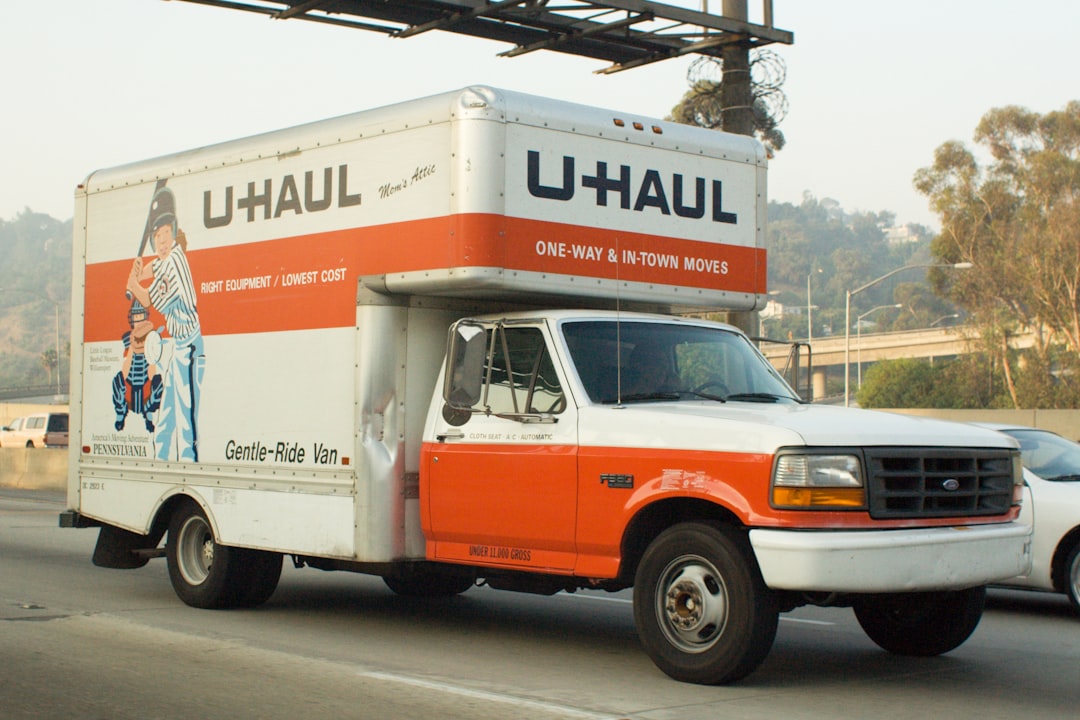
Relocating your household is a significant undertaking, often ranked among life’s most stressful events. The sheer volume of decisions—from selecting a service provider to packing your grandmother’s china—can feel overwhelming. A clear understanding of the available moving services transforms this chaotic process into a manageable, organized project.
This guide provides a straightforward overview of modern moving options. We will examine the different types of services, key planning steps, and what you can realistically expect in terms of cost and timeline. With this knowledge, you can approach your relocation with confidence and clarity.
Understanding Your Core Moving Service Options
The first major decision involves determining the level of service that matches your budget and desired involvement. The spectrum ranges from fully DIY to a completely hands-off, white-glove experience.
Full-Service Moving Companies
This is the most comprehensive option. A professional crew handles every aspect of the relocation from start to finish. This service is ideal for those with limited time, complex items, or a preference for minimal physical labor.
Typical full-service offerings include:
- In-home estimate: A consultant visits your home to assess volume and provide a binding or non-binding quote.
- Packing services: Professionals pack all your belongings using appropriate materials and techniques.
- Loading & transportation: The crew safely loads a dedicated truck, drives it to your new location, and unloads everything.
- Unpacking & setup: Teams can unpack boxes, assemble furniture, and place items in designated rooms.
- Special handling: Expertise in moving pianos, fine art, antiques, and other high-value items.
Self-Service or Container Moving
This hybrid model splits responsibilities between you and the company. You handle the packing and loading, while the provider manages transportation. It offers a balance of control and convenience.
How it generally works:
- A large storage container is delivered to your driveway or curb.
- You have a flexible window (often several days) to pack and load it at your own pace.
- The company picks up the filled container and transports it to your new address.
- You then unload the container, and the company retrieves it.
This option provides significant cost savings compared to full-service moves and eliminates the stress of driving a large rental truck.
Truck Rental (DIY Moving)
The most hands-on and often most economical choice for local or short-distance moves. You are responsible for every single step: packing, loading, driving, unloading, and returning the vehicle.
Critical considerations for a DIY move include:
- Accurately estimating the truck size needed to avoid multiple trips.
- Securing help from friends or family for heavy lifting.
- Understanding rental insurance and fuel policies.
- Factoring in physical exertion, travel time, and potential for injury.
Key Factors in Planning Your Move
Selecting the right service is just the beginning. Effective planning hinges on several pivotal factors that influence cost, timing, and complexity.
Distance: Local vs. Long-Distance
The mileage of your relocation fundamentally changes the process. Local moves are typically charged by an hourly rate for the crew and truck. Interstate or cross-country moves are priced based on the weight of your shipment and the distance traveled, requiring a more formal estimate process.
Timing and Seasonality
When you move can be as important as how you move. Demand peaks during summer months, weekends, and at the beginning and end of each month. To secure better rates and ensure availability:
- Book your moving service as far in advance as possible, especially for a summer relocation.
- Consider a mid-week or mid-month move date for greater flexibility and potential discounts.
- Be aware that some companies have higher rates during peak seasons.
Inventory and Decluttering
The volume and nature of your belongings directly impact your quote. A thorough pre-move inventory is not just for estimates; it’s the perfect opportunity to declutter. Moving items you no longer need is an unnecessary expense.
Conduct a room-by-room audit and categorize items into:
- Keep: Essentials and valued possessions.
- Sell/Donate: Gently used items that no longer serve you.
- Discard: Broken, expired, or unusable goods.
What to Expect: The Moving Process Demystified
Knowing the standard workflow reduces anxiety and helps you prepare effectively. A professional move follows a predictable sequence of events.
The Initial Consultation and Estimate
Reputable companies will insist on a visual survey of your home, either in-person or via video call. Be wary of any provider that gives a firm quote over the phone without seeing your inventory. During this consultation:
- Point out all items to be moved, including those in attics, basements, and garages.
- Discuss any special requirements like shuttle services for large trucks.
- Understand the type of estimate being provided—binding, non-binding, or not-to-exceed.
Pre-Move Preparation
Your responsibilities before moving day are crucial for a smooth operation. Create a “moving week” checklist that includes:
- Confirming dates and times with your moving coordinator.
- Preparing an “essentials” box with toiletries, medications, chargers, and a change of clothes.
- Draining fuel from lawnmowers and disconnecting major appliances.
- Clearly labeling boxes by room and content for efficient unloading.
Moving Day and Final Delivery
On the day of loading, the foreman will typically present you with paperwork, including the bill of lading. This document is your contract and inventory list. Review it carefully before signing. Upon delivery at your new home, you will conduct a walk-through with the crew as items are unloaded, noting any damage on the inventory sheet before signing off.
Navigating Costs and Protecting Your Belongings
Transparency in pricing and understanding valuation coverage are non-negotiable aspects of a successful move. Never base your decision on price alone.
Understanding Moving Quotes
Quotes can be confusing. Here’s a brief explanation of common types:
- Binding Estimate: Guarantees the total cost based on the initial inventory. The final price cannot exceed this amount unless you add items or services.
- Non-Binding Estimate: An approximation of cost. The final charge is based on the actual weight of the shipment and may be higher or lower.
- Binding Not-to-Exceed Estimate: A favorable option where you pay the lower of the binding estimate or the actual weight-based cost.
Always get at least three written, in-home estimates from licensed and insured companies for an accurate comparison.
Insurance and Valuation Coverage
It is vital to distinguish between the carrier’s legally required “released value protection” and full value protection. The default coverage is often minimal, paying only a small amount per pound per item. For adequate protection of your possessions, you should discuss purchasing additional full value protection or a separate policy from a third-party insurer.
Making an Informed Decision for a Smooth Transition
The goal of understanding moving services is to align your specific needs with the right provider and plan. By methodically evaluating your options based on distance, inventory, and budget, you shift from being a passive participant to an informed project manager of your own relocation.
The most seamless moves are built on clear communication, detailed preparation, and realistic expectations. Investing time in research and planning upfront minimizes surprises and lays the groundwork for a positive start in your new home. With this comprehensive overview, you are now equipped to navigate the process and select the moving service that truly fits your situation.
- The 2026 Aviation Training Guide – 23/04/2026
- The 2026 Home Water Purity Guide – 22/04/2026
- The Business Mobile Solutions Guide – 20/04/2026

Leave a Reply