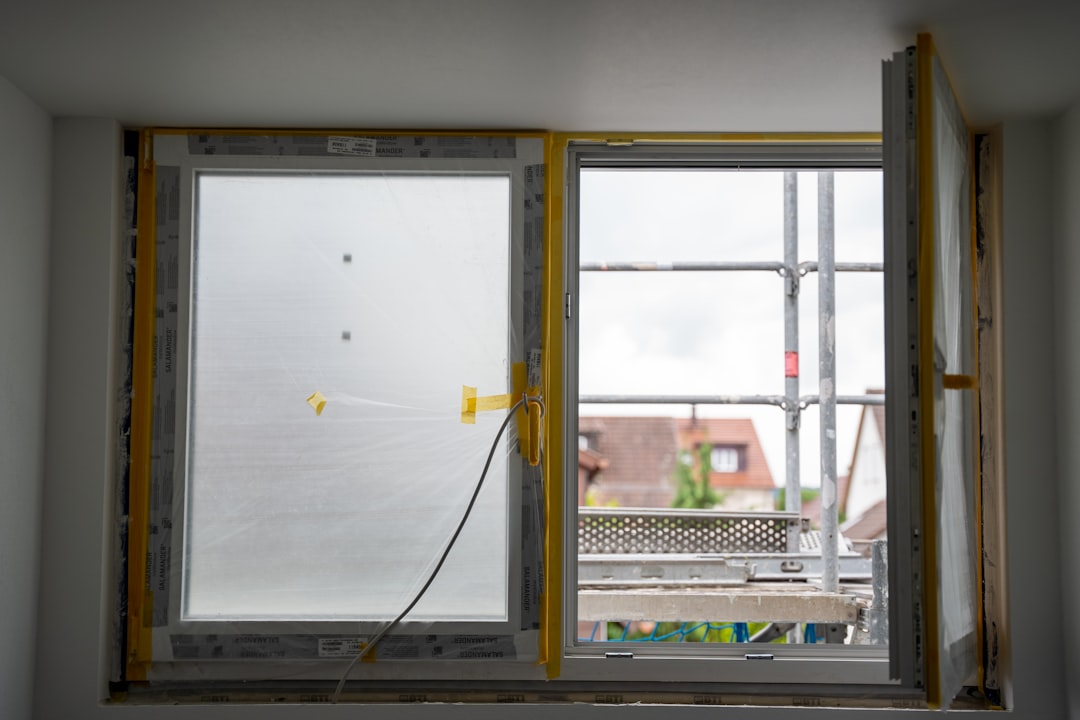
Embarking on a window replacement project is a significant investment in your home’s comfort, aesthetics, and value. It can also feel like navigating a maze of technical terms, material choices, and contractor quotes. This guide is designed to demystify the process, providing you with a clear framework to make informed decisions from initial planning through to final installation.
Understanding Your “Why”: The Foundation of a Smart Project
Before comparing glass types or frame materials, it’s crucial to define your primary objectives. A clear purpose will guide every subsequent choice and ensure your investment delivers the desired results.
Common Drivers for Window Replacement
Homeowners typically pursue window upgrades for one or more of the following key reasons:
- Energy Efficiency: Drafty, single-pane windows are a major source of heat loss in winter and heat gain in summer. Modern, energy-efficient units can dramatically reduce utility bills.
- Improved Comfort: Eliminating drafts and reducing outside noise pollution creates a more consistent and peaceful indoor environment.
- Enhanced Curb Appeal & Style: New windows can transform the look of your home’s exterior and update the interior aesthetic with cleaner lines and more natural light.
- Low Maintenance: Replacing rotting wood frames or windows that are difficult to clean and operate with modern, durable materials saves time and effort.
- Increased Home Value: A full window replacement is a recognized home improvement that often offers a strong return on investment at resale.
A Deep Dive into Window Frame Materials
The frame material is the backbone of your window, influencing its durability, insulation properties, appearance, and cost. Each option has distinct advantages and trade-offs.
Vinyl: The All-Around Performer
Vinyl has become the most popular choice for replacement windows due to its compelling balance of benefits.
- Pros: Excellent thermal insulation, very low maintenance (never needs painting), resistant to moisture and insects, and typically the most cost-effective option. Available in a wide range of colors and styles.
- Cons: Color is usually baked in and cannot be repainted. Lower-end vinyl can look less premium and may not be suitable for all architectural styles. Expansion and contraction with temperature changes must be engineered for in the design.
Wood: Classic Beauty and Insulation
Wood frames offer timeless aesthetic appeal and natural insulating properties, making them a favorite for traditional and historic homes.
- Pros: Unmatched natural beauty and warmth; can be painted or stained any color; provides excellent natural insulation.
- Cons: Requires regular maintenance such as painting or sealing to protect against moisture, rot, and insects. Generally the most expensive frame material option.
Fiberglass: Extreme Durability and Strength
Fiberglass frames are known for their exceptional strength and dimensional stability, making them a top-tier choice for performance.
- Pros: Incredibly strong and durable; expands and contracts very little with temperature swings, which improves energy efficiency and longevity; can be painted; often carries longer warranties.
- Cons: Typically comes at a higher price point, often comparable to or exceeding wood. The selection of styles and colors may be more limited than vinyl.
Aluminum and Composite
These materials serve specific niches in the market.
- Aluminum: Very strong, slim profiles allow for maximum glass area, and it’s low maintenance. Its primary drawback is that it is a poor insulator, which can lead to condensation and higher energy costs unless it includes a “thermal break” – a plastic barrier between the interior and exterior of the frame.
- Composite: These frames are engineered from a blend of materials, such as wood fibers and polymers. They aim to combine the best attributes of different materials, like the look of wood with the low maintenance of vinyl, often at a premium price.
Navigating Glass and Glazing Options
The glass package, or glazing, is where much of the technological advancement in windows has occurred. Understanding these features is key to maximizing comfort and efficiency.
Double-Pane vs. Triple-Pane Glass
- Double-Pane: The standard for modern windows. Two panes of glass are sealed with an air space (often filled with inert gas like Argon) in between. This provides significant insulation and noise reduction compared to single-pane.
- Triple-Pane: Incorporates a third pane of glass, creating two insulating air spaces. This offers the highest level of thermal and acoustic insulation. It is most beneficial in extremely cold climates or for homes near loud noise sources, but it adds weight and cost.
Low-E Coatings and Gas Fills
- Low-Emissivity (Low-E) Coatings: A microscopically thin, invisible metallic coating applied to the glass. It reflects infrared light, keeping heat inside in the winter and outside in the summer, without reducing visible light. This is a critical feature for energy performance.
- Gas Fills: The space between panes is often filled with Argon or Krypton gas. These denser, inert gases provide better insulation than plain air and help reduce heat transfer.
Critical Considerations Before You Begin
With materials in mind, successful planning involves several practical steps. Rushing this phase can lead to costly mistakes or dissatisfaction.
Professional Measurement and Assessment
Never assume your existing windows are a standard size. A professional installer will take precise measurements of the rough opening to ensure a proper fit. They should also assess the condition of the surrounding wall structure for any water damage or rot that needs repair before installation.
Understanding Installation Methods
- Full-Frame Replacement: The entire existing window, including the frame and trim, is removed down to the studs. This allows for a thorough inspection of the wall, repair of any damage, and is often necessary when changing window sizes or styles. It is more invasive and costly.
- Insert (or Pocket) Replacement: The new window is installed into the existing, structurally sound frame. This is a less invasive, faster, and generally more affordable option, but it slightly reduces the visible glass area.
Deciphering Warranties and Ratings
Pay close attention to the fine print. A strong warranty is a sign of manufacturer confidence.
- Product Warranty: Covers defects in the window itself (frames, glass, hardware). Look for lifetime or long-term coverage.
- Glass Seal Failure Warranty: Specifically covers the failure of the seal between panes, which leads to fogging. This is a common point of failure over time.
- Installation Warranty: Provided by your contractor, covering labor and workmanship, typically for 1-5 years.
Also, look for the National Fenestration Rating Council (NFRC) label. It provides standardized ratings for U-Factor (insulation), Solar Heat Gain Coefficient (SHGC), and Visible Transmittance, allowing for apples-to-apples comparisons between products.
Vetting and Selecting a Contractor
The quality of the installation is as important as the quality of the window. A poor installation can negate the benefits of even the best product.
- Obtain at least three detailed, written estimates that specify the exact product lines, materials, and scope of work.
- Verify licensing, insurance, and check references from recent projects.
- Ask about the crew who will do the work: Are they employees or subcontractors? How long have they been with the company?
- Be wary of high-pressure sales tactics or prices that seem too good to be true.
Navigating the Investment and Final Steps
Window replacement is a substantial financial decision. A clear understanding of costs and the process will help you budget effectively and set realistic expectations.
Budgeting and Financing
Costs vary widely based on size, material, glass options, and regional labor rates. Vinyl windows are generally the most budget-friendly, while wood and fiberglass command higher prices. Remember to factor in potential long-term energy savings when evaluating cost. Some contractors offer financing, and you may also explore energy-efficiency rebates or tax credits available in your area.
The Installation Process and Timeline
Once ordered, windows can take several weeks to manufacture. The installation itself for a full home can take several days to a week, depending on the number of windows and the complexity of the work. Professional crews will protect your home’s interior and exterior, properly install and seal each unit, and clean up thoroughly afterward.
Replacing your windows is a project that demands careful research and planning. By methodically working through your goals, understanding material and performance options, and partnering with a reputable professional, you can transform this complex undertaking into a smooth and rewarding investment. The result will be a home that is more comfortable, beautiful, and efficient for years to come.
- The 2026 Aviation Training Guide – 23/04/2026
- The 2026 Home Water Purity Guide – 22/04/2026
- The Business Mobile Solutions Guide – 20/04/2026

Leave a Reply