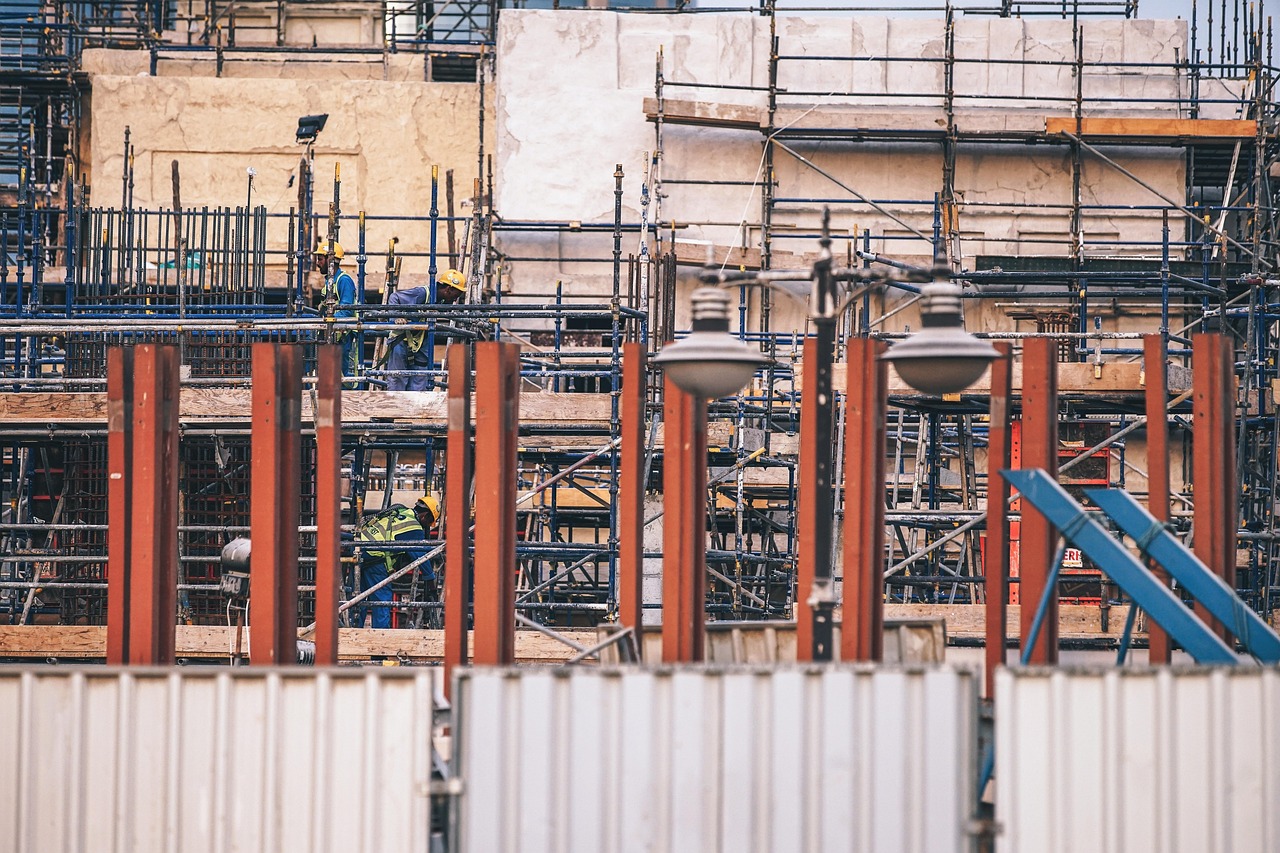
Embarking on a building project is a significant undertaking, whether it’s a home extension, a commercial renovation, or a ground-up development. The journey from concept to completion is a complex orchestration of planning, material selection, and professional services. A clear overview of these components is essential for setting realistic expectations, managing budgets, and ensuring a successful outcome.
This guide provides a structured look at the fundamental elements of any construction endeavor. We will explore the primary service types, examine key material choices, and outline the critical planning considerations that form the backbone of a well-executed project.
Understanding Core Construction Service Types
The first step in any project is identifying the right team and approach. Construction services are not one-size-fits-all; they are tailored to project scope, client involvement, and risk tolerance. Selecting the appropriate service model is a foundational decision that influences every subsequent phase.
Design-Bid-Build (Traditional Method)
This is the most traditional project delivery method. The owner hires an architect or designer separately from a general contractor. The design is completed in full, then put out to bid to multiple contractors.
Key characteristics include:
- Clear Separation of Roles: The designer works as the owner’s agent, providing oversight of the contractor’s work.
- Fixed Price Contracts: The winning bid provides a lump-sum price based on completed drawings.
- Potential for Change Orders: If design ambiguities arise during construction, changes can lead to additional costs and delays.
Design-Build
In this integrated approach, a single entity—the design-build firm—contracts directly with the owner to provide both design and construction services. This streamlines communication and accountability.
Primary advantages are:
- Single Point of Responsibility: The owner manages one contract, reducing finger-pointing between designer and builder.
- Faster Project Delivery: Construction can begin before final designs are fully complete, overlapping phases.
- Enhanced Cost Certainty: Early contractor involvement provides more accurate and timely cost feedback during design.
Construction Management
Here, the owner hires a construction manager (CM) as a consultant, often for a fee. The CM acts as the owner’s advisor and agent, managing the project, multiple trade contractors, and the schedule without taking on the direct financial risk of construction.
This model is beneficial for:
- Complex or Fast-Track Projects: Ideal for large-scale projects where scheduling and coordination are paramount.
- Owner Desire for Control: The owner maintains more direct contractual relationships with trade contractors.
- Transparency in Costs: Contracts are often open-book, with the CM providing detailed cost tracking.
Critical Material Selection for Building Projects
Material choices directly impact a project’s cost, durability, aesthetics, and environmental footprint. While trends evolve, the decision matrix typically balances performance, budget, and long-term value. Here is an overview of primary material categories.
Structural Materials
These materials form the skeleton of the building, carrying loads and ensuring stability.
- Lumber & Engineered Wood: Common in residential construction. Engineered products like LVL (Laminated Veneer Lumber) and I-joists offer greater strength and consistency than traditional dimensional lumber.
- Concrete: The backbone of foundations, slabs, and many commercial structures. Its versatility, fire resistance, and thermal mass are key benefits.
- Structural Steel: Used for large spans in commercial and industrial buildings. It allows for faster erection and flexible floor plans but requires fireproofing.
- Masonry (CMU/Brick): Concrete masonry units (CMUs) and brick provide durable, fire-resistant, and low-maintenance walls with good thermal mass.
Enclosure & Finishing Materials
These materials protect the structure from the elements and define the interior and exterior aesthetics.
- Exterior Cladding: Options include fiber cement siding, vinyl, metal panels, brick veneer, and stucco. Selection depends on climate, maintenance tolerance, and architectural style.
- Roofing: Asphalt shingles dominate residential markets, while metal, tile, and single-ply membranes (TPO, PVC) are common for commercial and high-end residential projects.
- Insulation: Critical for energy efficiency. Choices range from fiberglass batts to spray foam, rigid foam boards, and mineral wool, each with different R-values and installation methods.
- Interior Finishes: Drywall is standard for walls and ceilings. Flooring options include hardwood, laminate, tile, luxury vinyl plank (LVP), and carpet, each with distinct cost and durability profiles.
Mechanical, Electrical, and Plumbing (MEP) Components
Often called the “guts” of a building, these systems are vital for comfort, safety, and function.
- HVAC Systems: High-efficiency furnaces, heat pumps, and ERVs (Energy Recovery Ventilators) improve indoor air quality and reduce operating costs.
- Electrical: Modern panels, wiring, and smart home infrastructure must accommodate current and future energy demands.
- Plumbing: PEX piping has largely replaced copper for supply lines due to cost and flexibility. Efficient fixtures conserve water.
Essential Planning Considerations for Success
Thorough planning is the most effective way to mitigate risk, control costs, and avoid delays. It transforms a vision into an executable plan. Key considerations span from initial concept through to project closeout.
Pre-Construction Planning
This phase sets the trajectory for the entire project. Rushing this stage is a common and costly mistake.
- Defined Scope & Program: Create a detailed document outlining every room, feature, and functional requirement. Ambiguity here leads to change orders later.
- Realistic Budgeting: Develop a budget that includes not just construction costs (hard costs), but also soft costs (design fees, permits, inspections) and a contingency of 10-20% for unforeseen issues.
- Site Analysis & Feasibility: Evaluate zoning restrictions, setback requirements, soil conditions, utility access, and any environmental constraints.
- Team Assembly: Carefully vet and select your architect, engineer, and contractor. Check references, licenses, insurance, and review past project portfolios.
Regulatory and Financial Management
Navigating the administrative landscape is non-negotiable and requires proactive management.
- Permitting Process: Understand the timeline and requirements for building permits, which can vary significantly by municipality. Factor this into your schedule.
- Contract Clarity: Ensure your construction contract clearly defines scope, schedule, payment schedule, change order procedures, and warranty information.
- Financing Strategy: Secure construction financing or ensure personal funds are liquid and sequenced to meet draw schedules. Cash flow problems can halt work.
Execution and Risk Mitigation
Even with perfect planning, active management during construction is crucial to stay on track.
- Communication Protocol: Establish regular meeting schedules (e.g., weekly site meetings) and a clear chain of communication for decisions and issues.
- Schedule Adherence: Use a detailed construction schedule (often a Gantt chart) to track progress, sequence trades, and identify potential delays early.
- Quality Assurance: Don’t rely solely on final inspections. Conduct periodic walk-throughs with your contractor or architect to verify workmanship aligns with plans and specifications.
- Contingency for the Unexpected: Weather delays, material shortages, or unforeseen site conditions (like poor soil or buried debris) are common. Your financial and schedule contingency is for these events.
Synthesizing Your Project Approach
A successful building project is not defined by avoiding challenges, but by anticipating and managing them through informed preparation. The interplay between your chosen service model, material specifications, and planning rigor creates the framework for your project’s outcome.
By understanding the spectrum of construction services, you can select a team structure that matches your desired level of involvement and risk. Informed material selections, made with both initial cost and lifecycle value in mind, will determine the longevity and performance of your building. Most importantly, a disciplined focus on comprehensive planning—encompassing scope, budget, schedule, and regulations—provides the control necessary to navigate the inherent complexities of construction.
The most valuable resource you can bring to your project is knowledge. This overview of services, materials, and planning provides a foundational map. The next logical step is to engage with professionals who can translate this general knowledge into a specific, actionable plan tailored to your unique vision, site, and budget, turning overview into reality.
- The 2026 Aviation Training Guide – 23/04/2026
- The 2026 Home Water Purity Guide – 22/04/2026
- The Business Mobile Solutions Guide – 20/04/2026

Leave a Reply