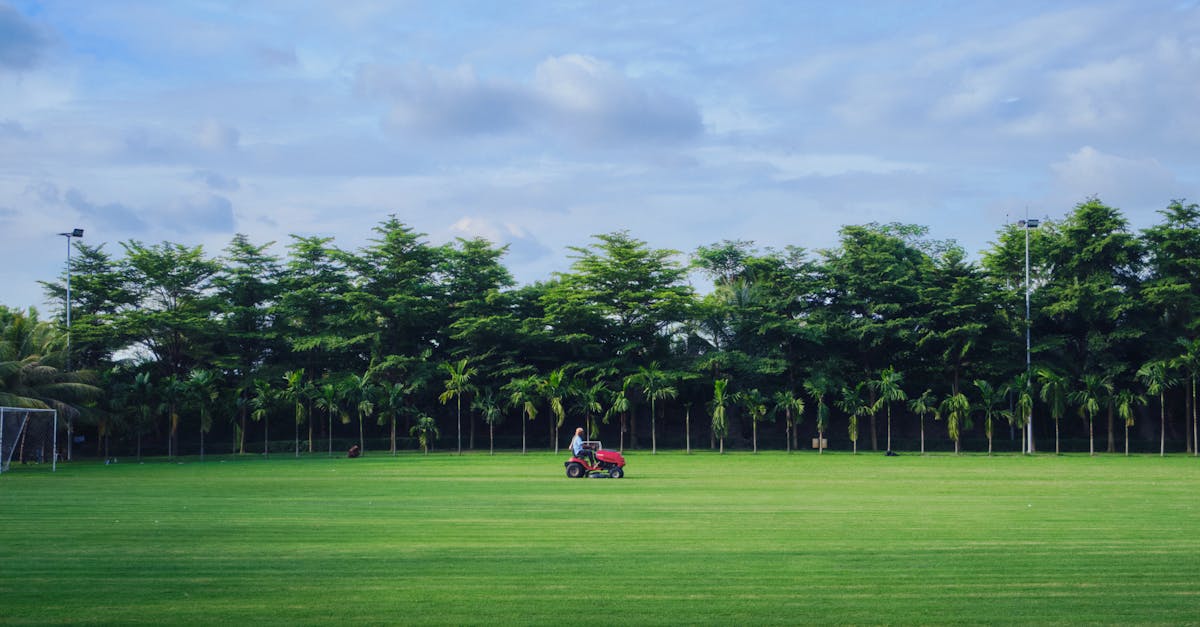
For many property owners, a lush, green lawn is a point of pride. Yet the path to achieving it is often paved with frustration—brown patches, persistent weeds, and escalating chemical dependency. This cycle of reactive treatment fails to address the foundational issue: the health of the soil beneath your feet.
True turf management is not about cosmetic fixes. It is a science of cultivation, requiring a shift from a symptom-focused approach to a root-first methodology. This framework prioritizes the long-term structural and biological health of your landscape, building natural resilience from the ground up.
The Foundation: Understanding Your Soil as a Living Ecosystem
Soil is far more than dirt; it is a complex, living matrix of minerals, organic matter, water, air, and billions of microorganisms. The success of your grass is directly tied to the vitality of this underground world. Ignoring its needs is the primary reason maintenance efforts so often fall short.
The Critical Role of Soil pH
Soil pH testing is the indispensable first step in any professional horticultural plan. This measurement, on a scale from acidic to alkaline, dictates nutrient availability. Even with perfect fertilization, grass roots cannot absorb key nutrients if the pH is out of balance.
Most turfgrasses thrive in a slightly acidic to neutral pH range (6.0 to 7.0). Outside this window, essential elements like nitrogen, phosphorus, and potassium become chemically “locked” in the soil. A simple test kit can reveal this invisible barrier to health.
Combating the Silent Killer: Soil Compaction
Foot traffic, mowing, and weather gradually compress soil particles, eliminating the pore spaces crucial for root growth, water infiltration, and gas exchange. Compacted soil starves roots of oxygen and water, creating a weak, shallow root system highly susceptible to stress.
This is where the mechanics of soil aeration become vital. Aeration is the process of mechanically removing small plugs of soil to alleviate compaction. It is not a one-time task but a scheduled component of proactive preservation.
- Core Aeration: The gold standard, using hollow tines to extract soil cores, providing immediate relief and allowing amendments to penetrate.
- Timing: Best performed during peak growth periods (early fall for cool-season grasses, late spring for warm-season) to enable rapid recovery and root expansion into the new spaces.
- Frequency: High-traffic or clay-heavy lawns may require annual aeration, while others can benefit from it every other year.
The Root-First Methodology in Action
With a foundational understanding of soil science, you can implement a systematic strategy that builds durability. This methodology revolves around creating conditions where desirable grass outcompetes problems naturally.
Strategic Grass Species Selection
Not all grass is created equal. Selecting a species or blend suited to your climate, sun exposure, and soil type is a decisive factor in long-term success. This is a cornerstone of intelligent turf science.
- Cool-Season Grasses (e.g., Kentucky Bluegrass, Fescue): Thrive in northern climates with peak growth in spring and fall. They often require more water in summer heat.
- Warm-Season Grasses (e.g., Bermudagrass, Zoysia): Excel in southern heat, going dormant and brown in winter. They are typically more drought-tolerant.
- Key Consideration: Choose disease-resistant varieties and consider low-maintenance, deep-rooting types like tall fescue for enhanced natural resilience.
Precision in Nutrition: Fertilization Cycles
Fertilizer is not “lawn food.” It is a supplement that feeds the soil biology, which in turn nourishes the grass. Applying it without strategy wastes resources and can harm the ecosystem.
Effective fertilization cycles are timed to the grass’s natural growth rhythms. The goal is to support steady, strong growth without forcing a vulnerable, lush surge.
- Spring Feeding (Light): A balanced, slow-release fertilizer to support recovery from winter, not to force excessive top growth.
- Fall Feeding (Critical): The most important application. It promotes root development and nutrient storage for winter survival and a robust spring green-up.
- Product Selection: Prioritize organic or slow-release synthetic options that feed the soil gradually, minimizing runoff and supporting microbial life.
Intelligent Water Management: Irrigation Timing
Watering deeply and infrequently is a non-negotiable principle. Light, daily sprinklings encourage shallow roots, making grass dependent on you and vulnerable to drought.
- The Deep-Rooting Principle: Water until moisture reaches 6-8 inches deep. This trains roots to grow downward in search of water.
- Optimal Timing: Water early in the morning to minimize evaporation and fungal disease. Avoid evening watering, which leaves grass blades wet overnight.
- Cycle and Soak: For sloped areas or hard soils, apply water in multiple short cycles to allow for proper absorption and prevent runoff.
Proactive Defense: The Science of Weed Prevention
In a root-first system, weed prevention is achieved not by blanket herbicide use, but by creating an environment where grass is the dominant competitor. Weeds are opportunists that fill voids in thin, weak turf.
A dense, healthy lawn is the most effective herbicide. By focusing on core cultural practices, you address the root cause of weed invasion.
- Mowing High: Keeping grass at the taller end of its recommended range (often 3-4 inches) shades the soil, preventing weed seeds from germinating and promoting deeper roots.
- Soil Health: Correcting pH and compaction removes the stressors that cause grass to thin out, leaving no room for weeds to establish.
- Targeted Intervention: If weeds appear, identify them and use a precise, spot-treatment method rather than area-wide chemicals, preserving beneficial soil life.
Building a Self-Sustaining System: Organic Lawn Preservation
The ultimate goal of advanced turf management is to reduce external inputs and foster a landscape that largely cares for itself. Organic lawn preservation techniques work with natural cycles to build intrinsic strength.
Incorporating Organic Matter
Top-dressing with fine compost after aeration is a transformative practice. It introduces beneficial microbes, improves soil structure, and provides a gentle, natural source of nutrients.
Grasscycling for Natural Nutrition
Leaving grass clippings on the lawn (provided they are not too long) returns a significant amount of nitrogen and organic matter back to the soil, mimicking natural nutrient cycling in a grassland ecosystem.
Understanding Seasonal Transitions
A resilient lawn is one prepared for seasonal shifts. This means adjusting practices in anticipation of stress, not in reaction to it.
- Fall: Focus on aeration, overseeding thin areas, and root-strengthening fertilization.
- Winter: Minimize traffic on dormant or frozen grass to prevent crown damage.
- Spring: Focus on gentle recovery, soil testing, and addressing any compaction from winter.
- Summer: Prioritize deep, infrequent watering and raise mowing height to reduce heat and drought stress.
This technical framework moves you from being a constant caretaker to a strategic steward of your landscape. By applying the principles of soil science, precise grass species selection, and timed cultural practices, you invest in the underlying system. The result is a landscape that achieves vibrancy not through short-term interventions, but through its own inherent, cultivated strength—a truly sustainable and healthy lawn that endures through every seasonal transition.
- The 2026 Aviation Training Guide – 23/04/2026
- The 2026 Home Water Purity Guide – 22/04/2026
- The Business Mobile Solutions Guide – 20/04/2026

Leave a Reply