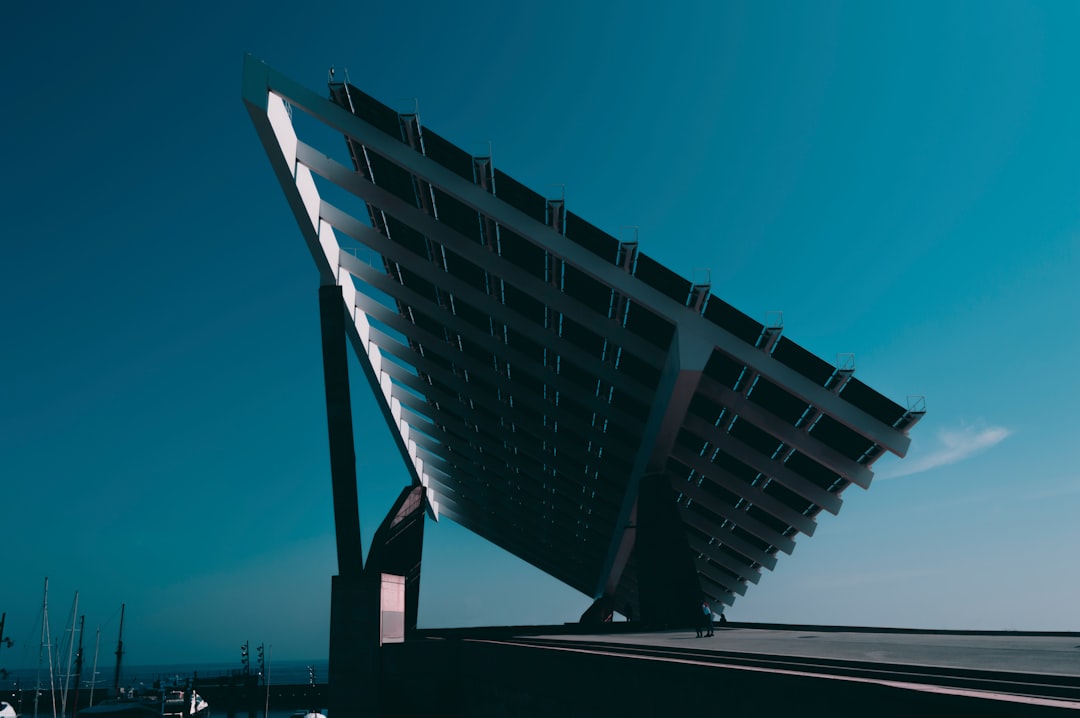
For decades, the roof has been a passive shield, a static barrier against the elements. Its primary function was to protect, and its value was measured in its inevitable decline. Today, a fundamental shift is underway. The concept of the roof is being re-engineered from a passive expense into an active asset—a sophisticated piece of hardware that generates power, manages energy, and integrates seamlessly into the architectural form. This is the promise of advanced photovoltaic integration, where the building envelope itself becomes the energy system.
The Invisible Utility: From Appliance to Architecture
The traditional approach to solar energy involves mounting panels onto an existing structure. This method, while effective, often creates a visual and functional dichotomy. The new paradigm, known as building-integrated photovoltaics (BIPV), eliminates this separation. Here, the photovoltaic material is the roofing material. This convergence of form and function represents a leap in sustainable infrastructure, moving beyond simply adding technology to fundamentally rethinking the material science of construction.
This shift demands a new framework for evaluation. We must stop viewing these systems as simple additions and start understanding them as complex, multi-layered electrical appliances designed for a 30-year service life in harsh environmental conditions. The engineering challenge is profound: to create a surface that is simultaneously a durable weather barrier, a high-efficiency semiconductor, and a visually cohesive architectural element.
Deconstructing the Photovoltaic Surface
To appreciate the engineering, one must look beneath the surface. A modern photovoltaic roof is a meticulously assembled sandwich of advanced materials, each layer serving a critical and non-negotiable purpose. The failure of any single component can compromise the entire system’s performance and longevity.
The sophistication lies in the integration. This is not merely about solar cells; it is about the entire ecosystem that allows them to function reliably for decades as part of a building’s primary structure.
The Core Layers: A Material Science Perspective
1. The Protective Membrane: Engineered Solar Glass
The outermost layer is the first line of defense. It is typically a sheet of tempered, low-iron glass with a specialized anti-reflective coating. This is not ordinary glass; its properties are carefully calibrated for solar glass durability and optimal energy harvest.
Its engineering addresses several key challenges:
- Impact Resistance: Must withstand hail, falling branches, and other debris without cracking or compromising the sealed environment beneath.
- Optical Clarity: The anti-reflective coating maximizes light transmission to the semiconductor layer beneath, directly boosting efficiency.
- Self-Cleaning Properties: Many surfaces are designed with hydrophobic coatings that encourage dirt and water to sheet off, maintaining performance with minimal maintenance.
2. The Heart of the System: Semiconductor Roofing
Beneath the glass lies the active layer where light is converted into electricity. While traditional silicon cells are common, the field of semiconductor roofing is rapidly advancing. Thin-film technologies, for instance, can be directly deposited onto flexible substrates, enabling new forms and integration possibilities.
The critical considerations here extend beyond pure efficiency ratings. For an integrated roof, performance is measured under real-world conditions:
- Partial Shading Tolerance: How does the system perform when part of the roof is in shadow? Advanced electronics and cell wiring are designed to minimize power loss.
- Thermal Coefficients: All semiconductors lose efficiency as they heat up. The system’s design must facilitate heat dissipation to maintain optimal output on hot, sunny days.
- Long-Term Degradation: High-quality photovoltaic cells are engineered for minimal annual power loss, often guaranteeing 90% or more of original output after 25 years.
3. The Conductive Network: Adhesives and Interconnects
This is one of the most critical yet overlooked aspects of integrated photovoltaic mechanics. The individual cells must be connected to form a circuit, and this network must remain intact through decades of thermal expansion and contraction, vibration, and moisture exposure.
Conductive shingle technology relies on specialized materials:
- Flexible Conductive Adhesives: These replace rigid soldering, allowing for movement without fracture. They must maintain excellent electrical conductivity while resisting oxidation and corrosion.
- Encapsulation Polymers: The entire cell matrix is sealed in a durable polymer like ethylene-vinyl acetate (EVA). This layer must be perfectly transparent, UV-stable, and moisture-proof to prevent delamination and cell degradation.
Structural Electricity: Performance in the Real World
The ultimate test of an active building envelope is its performance over time. This goes beyond kilowatt-hour production to encompass structural integrity, safety, and financial return. Evaluating a system requires a holistic view of its interaction with the building and the environment.
Thermal Management and Heat Dissipation
A roof’s primary job is to manage heat. A photovoltaic roof adds a complex layer to this task. While it converts sunlight to electricity, it also absorbs radiant heat. Advanced roofing science addresses this through integrated thermal pathways.
- Ventilation Channels: Many systems incorporate a slight air gap between the photovoltaic layer and the roof deck. This allows passive airflow to carry heat away, cooling the cells and reducing thermal stress on the building.
- Insulation Synergy: A well-insulated attic works in concert with the photovoltaic roof, preventing unwanted heat transfer into living spaces and ensuring the cells operate at a more favorable temperature.
Mechanical Integration and Load Dynamics
The roof is a structural component. Adding a photovoltaic layer changes its weight, wind uplift profile, and snow load characteristics. Proper integration is non-negotiable.
- Wind Tunnel Validation: Leading systems are tested extensively to ensure they do not create vulnerabilities during high-wind events. The attachment system is as crucial as the solar module itself.
- Total System Weight: Modern photovoltaic materials are surprisingly light, often comparable to or lighter than premium traditional roofing materials like slate or tile, minimizing structural reinforcement needs.
The Lifecycle Analysis: Asset vs. Expense
This is the core of the value proposition. A conventional roof is a depreciating asset with a defined, costly end-of-life. An integrated photovoltaic roof flips this model. While it has a higher initial capital cost, it generates a continuous stream of value through energy production and displacement.
A proper financial analysis must account for:
- Dual-Function Capital Allocation: The cost covers both a premium roof and a power generation system, consolidating two major budgets.
- Predictable Energy Yield: With sophisticated modeling, the annual energy output can be forecast with high accuracy, allowing for clear projections of utility savings and payback periods.
- Longevity Alignment: High-quality systems are engineered for a service life that matches or exceeds that of the building’s other major components, creating a unified maintenance and replacement timeline.
Implementing the Framework: A Guide for Evaluation
For architects, developers, and homeowners considering this technology, moving from concept to specification requires a disciplined approach. The goal is to make an informed decision based on technical merit and long-term performance, not just aesthetics or marketing claims.
Begin by requesting and scrutinizing the technical data sheets for any system under consideration. Focus on the specifications that speak to durability and real-world performance: the temperature coefficient of power, the hail impact rating, the wind uplift certification, and the linear power warranty. Examine the details of the interconnection and waterproofing system—this is often where the quality of engineering is most apparent. Furthermore, engage with installers who can demonstrate deep experience not just with solar, but with advanced roofing integration, as the marriage of these two trades is essential for a successful, long-lasting installation.
The journey toward true energy independence and resilient design is built upon a foundation of granular material science. By understanding the roof as a sophisticated, active building envelope—a fusion of semiconductor physics, advanced polymer chemistry, and structural engineering—we can make choices that transform our buildings from energy consumers into intelligent, power-generating assets. This knowledge provides the essential framework for evaluating how to turn a static structure into a dynamic, high-output component of a modern energy system.
- The 2026 Aviation Training Guide – 23/04/2026
- The 2026 Home Water Purity Guide – 22/04/2026
- The Business Mobile Solutions Guide – 20/04/2026

Leave a Reply