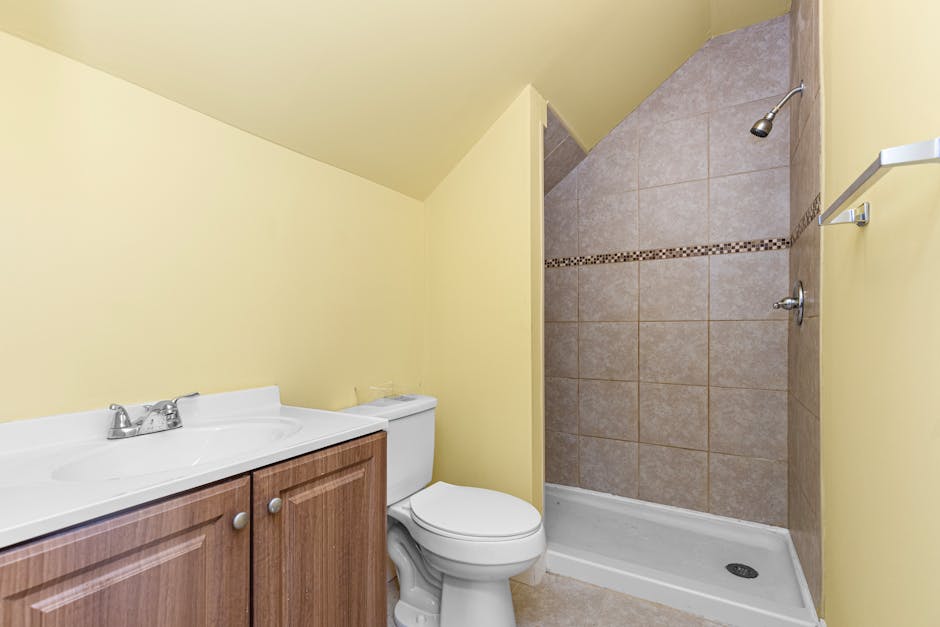
When envisioning a bathroom renovation, it’s easy to get swept up in the allure of designer tiles and sleek fixtures. Yet, the most successful projects are those rooted in a deeper understanding of how the space will be used day in and day out. True transformation lies not just in visual appeal, but in creating an environment that seamlessly supports your routine, enhances accessibility, and provides enduring comfort. This requires moving beyond surface-level changes to consider the fundamental bathroom remodeling basics that govern long-term satisfaction. By focusing on thoughtful bathroom layout planning and strategic home bathroom upgrades, you can craft a space that feels both luxurious and intuitively functional for years to come.
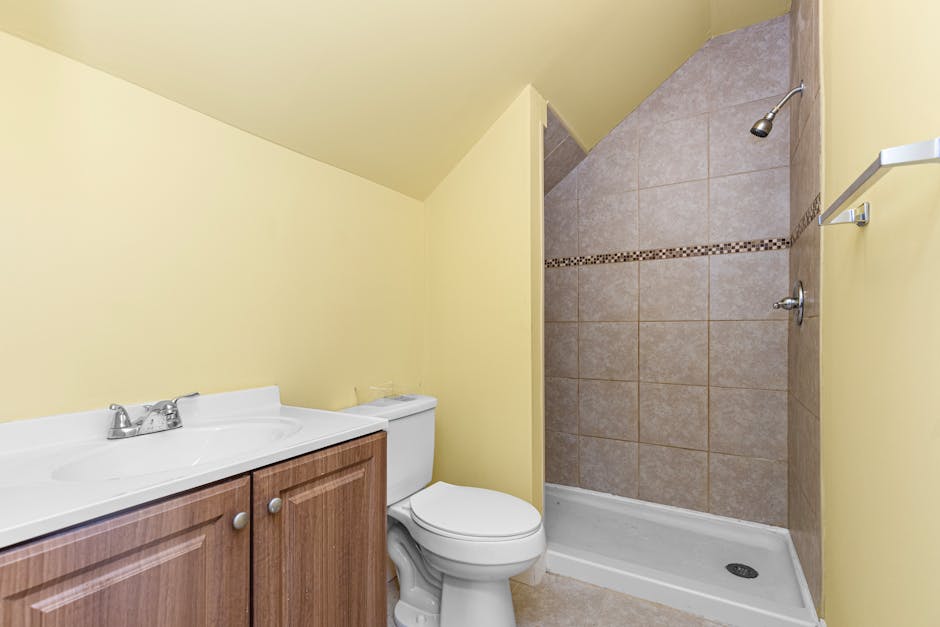
Foundational Planning: The Blueprint for Success
Every exceptional bathroom remodel begins with a solid plan. This initial phase is where you lay the groundwork for all subsequent decisions, ensuring your project aligns with both your vision and practical realities. Key remodeling considerations at this stage include establishing a realistic budget with a contingency fund, understanding the scope of plumbing and electrical work, and setting a feasible timeline that accounts for material lead times.
Perhaps the most critical element is bathroom layout planning. This isn’t merely about where to place the toilet, but about choreographing movement within the space. Ask yourself: Is there clear, unobstructed access to key areas? Does the layout support multiple users comfortably? Can doors swing freely without hitting fixtures? A well-planned layout prioritizes safety and efficiency, forming the backbone of superior bathroom functionality.
Optimizing Layout and Flow for Daily Usability
The arrangement of your sink, toilet, shower, and storage dictates the daily experience of your bathroom. A cramped or awkward layout can turn a simple morning routine into a frustrating ordeal.
The Work Triangle and Clearance Zones
Borrowing a concept from kitchen design, consider creating efficient “work zones” within your bathroom. For instance, positioning the vanity, shower, and toilet within a logical flow minimizes unnecessary steps. More importantly, adhere to standard clearance guidelines: ensure at least 21 inches of clear space in front of the toilet and vanity, and a minimum of 30 inches by 30 inches of shower entry space. These measurements are not arbitrary; they are born from ergonomic studies and are fundamental to home improvement education for a reason.
Storage as a Functional Element
Clutter is the enemy of a serene and functional bathroom. Built-in storage solutions—like recessed medicine cabinets, vanity drawers with organizers, or tall linen towers—keep essentials accessible but out of sight. Planning storage during the layout phase, rather than as an afterthought, ensures every item has a designated home, contributing significantly to the room’s overall usability and calm atmosphere.
Strategic Upgrades for Enhanced Comfort and Accessibility
Modern home bathroom upgrades increasingly focus on universal design principles—features that are convenient for everyone and essential for aging in place. Integrating these elements from the start is far more effective and cost-efficient than retrofitting later.
Consider comfort-height toilets, which are easier to use for most adults. Install grab bars in the shower and near the toilet; today’s options are stylish and can be mounted to blocking securely installed within the walls. A zero-threshold shower entry not only looks contemporary but eliminates a tripping hazard and improves accessibility. Even choices like lever-style faucet handles and thermostatic shower valves that prevent scalding are upgrades that prioritize safety and ease of use, enhancing daily bathroom functionality.
Material and Fixture Selection: Where Beauty Meets Durability
The materials you choose must withstand a humid, high-traffic environment while supporting your comfort goals. For flooring, prioritize slip-resistant tiles, especially in wet areas. On walls, consider large-format tiles to minimize grout lines, which are easier to clean and maintain.
Your fixture selections are also pivotal. A wall-mounted vanity can make floor cleaning easier and create a sense of more space. Proper lighting is non-negotiable; layer ambient, task (like sconces at the mirror), and accent lighting to create a versatile environment suitable for both relaxation and precise tasks like grooming. These practical remodeling considerations ensure your beautiful new bathroom is also a breeze to live with.
Investing in Knowledge: The Key to a Successful Project
Approaching your remodel with a mindset of home improvement education is your greatest asset. Take time to research products, understand installation requirements, and learn about the latest water-efficient technologies. Consult with design professionals or contractors early in the process. Their expertise can help you navigate complex bathroom remodeling basics, avoid common pitfalls, and discover solutions you may not have considered, ultimately saving you time, money, and frustration.
Conclusion: Building a Foundation for Lasting Satisfaction
A bathroom remodel is a significant investment in your home and your quality of life. By shifting the primary focus from fleeting trends to enduring principles of layout, accessibility, and daily usability, you create a space that doesn’t just look impressive—it works impressively well. Thoughtful bathroom layout planning, informed remodeling considerations, and strategic upgrades that enhance bathroom functionality are the true hallmarks of a successful renovation. When you prioritize these core elements, you build more than a new bathroom; you craft a sanctuary of comfort, convenience, and timeless value that will serve your household reliably for the long term.
Photo Credits
Photo by JAELEN KEMPSON on Pexels
- How Flooring Choices Affect Home Performance – 15/01/2026
- How Bathroom Remodeling Improves Comfort – 15/01/2026
- Understanding Home Improvement Project Benefits – 15/01/2026

•
Leave a Reply