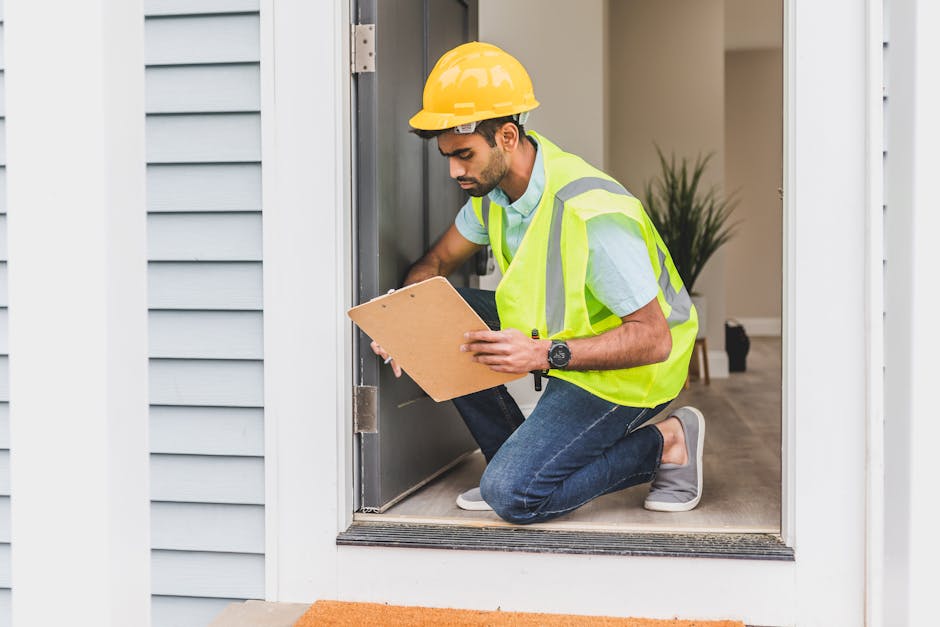
Your home is more than just a structure; it’s the backdrop to your daily life, a sanctuary for your family, and a significant investment. While the idea of a full-scale renovation can be daunting, the true power of home improvement basics lies in thoughtful, incremental change. By approaching projects with a strategic mindset, you can systematically transform your living environment to better serve your needs. This journey isn’t about chasing fleeting trends, but about making intentional choices that enhance comfort, boost efficiency, and improve the fundamental functionality of your space. Learning how to plan these updates is the first, most crucial step toward creating a home that truly works for you.
Laying the Foundation: Understanding Your Home’s Potential
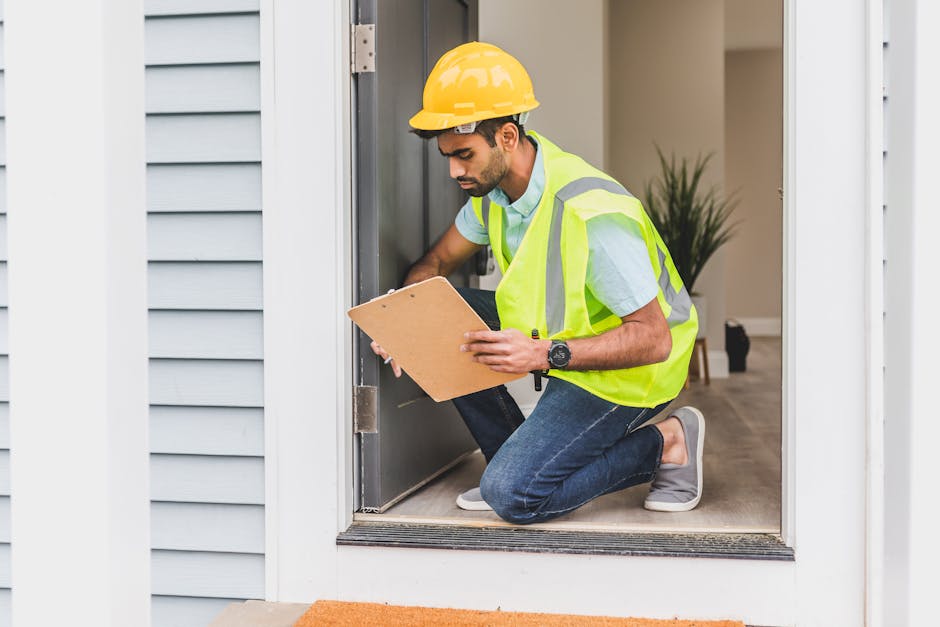
Before swinging a hammer or browsing paint swatches, successful house improvement overview begins with assessment. Take a critical walk through your home. Where do daily frustrations arise? Is the kitchen layout inefficient for meal prep? Are certain rooms underutilized or drafty? This audit forms the bedrock of intelligent home upgrade planning. It shifts the focus from arbitrary updates to targeted solutions that address real pain points, ensuring every project adds tangible value to your everyday experience.
Prioritizing Projects: The Hierarchy of Needs
Not all improvements are created equal. A sound strategy categorizes projects into tiers. First, address critical repairs and inefficiencies—a leaking roof, poor insulation, or an outdated electrical system. These are non-negotiable for safety, home efficiency education, and preventing costly future damage. Next, consider upgrades that enhance daily functional home design, like adding organizational systems, improving lighting, or reconfiguring a problematic room flow. Finally, focus on aesthetic and comfort-driven projects that personalize your space. This phased approach makes the process manageable and financially sustainable.
Key Areas for Transformative Improvement
Targeting specific areas of your home can yield the most significant returns in livability. Here’s where to direct your home upgrade planning energy.
Boosting Efficiency and Lowering Costs
Efficiency upgrades are investments that pay dividends. Start with a home energy audit to identify waste. Simple projects like sealing air leaks, adding attic insulation, and upgrading to a programmable thermostat offer quick wins. For larger impact, consider modern, energy-efficient appliances or high-performance windows. This aspect of home efficiency education isn’t just about being eco-conscious; it’s about reducing utility bills and increasing your home’s comfort year-round.
Enhancing Functionality in Key Rooms
The heart of functional home design is creating spaces that support your activities. In the kitchen, this might mean installing pull-out shelving, a pot-filler faucet, or task lighting. In bathrooms, consider comfort-height toilets, barrier-free showers, and ample storage. For living areas, think about furniture placement that facilitates conversation and traffic flow. Each change should answer the question: “Does this make daily life here easier or more enjoyable?”
Elevating Comfort and Livability
Living space enhancement is the final layer, where comfort meets personal style. This includes projects like installing dimmable lighting for ambiance, adding ceiling fans for air circulation, or integrating smart home features for convenience. Don’t underestimate the impact of softer elements: fresh paint, layered textiles, and dedicated zones for hobbies or relaxation can profoundly affect your home’s atmosphere. These touches transform a house from merely functional to genuinely nurturing.
Smart Planning for Long-Term Success
A haphazard approach leads to budget overruns and half-finished projects. Effective execution relies on a solid plan. Begin by defining a clear scope and setting a realistic budget, including a 10-20% contingency for surprises. Research materials and, for complex tasks, reputable contractors. Create a realistic timeline that accounts for potential delays. Most importantly, sequence your projects logically—tackle messy demolition or infrastructure work before cosmetic finishes. This disciplined approach to home upgrade planning minimizes stress and maximizes results.
Conclusion: Building Your Ideal Home, One Project at a Time
Mastering home improvement basics is less about DIY prowess and more about cultivating a strategic vision. It’s a continuous process of learning, assessing, and thoughtfully implementing changes that align with your lifestyle and goals. By starting with a solid house improvement overview, prioritizing efficiency and functional home design, and executing with careful home upgrade planning, you empower yourself to make meaningful enhancements over time. Each project, whether large or small, is a step toward a home that doesn’t just shelter you, but actively contributes to your comfort, efficiency, and daily joy. Begin with one manageable update, and let the momentum of a smarter, more harmonious living space guide your journey.
- How Flooring Choices Affect Home Performance – 15/01/2026
- How Bathroom Remodeling Improves Comfort – 15/01/2026
- Understanding Home Improvement Project Benefits – 15/01/2026

•
Leave a Reply