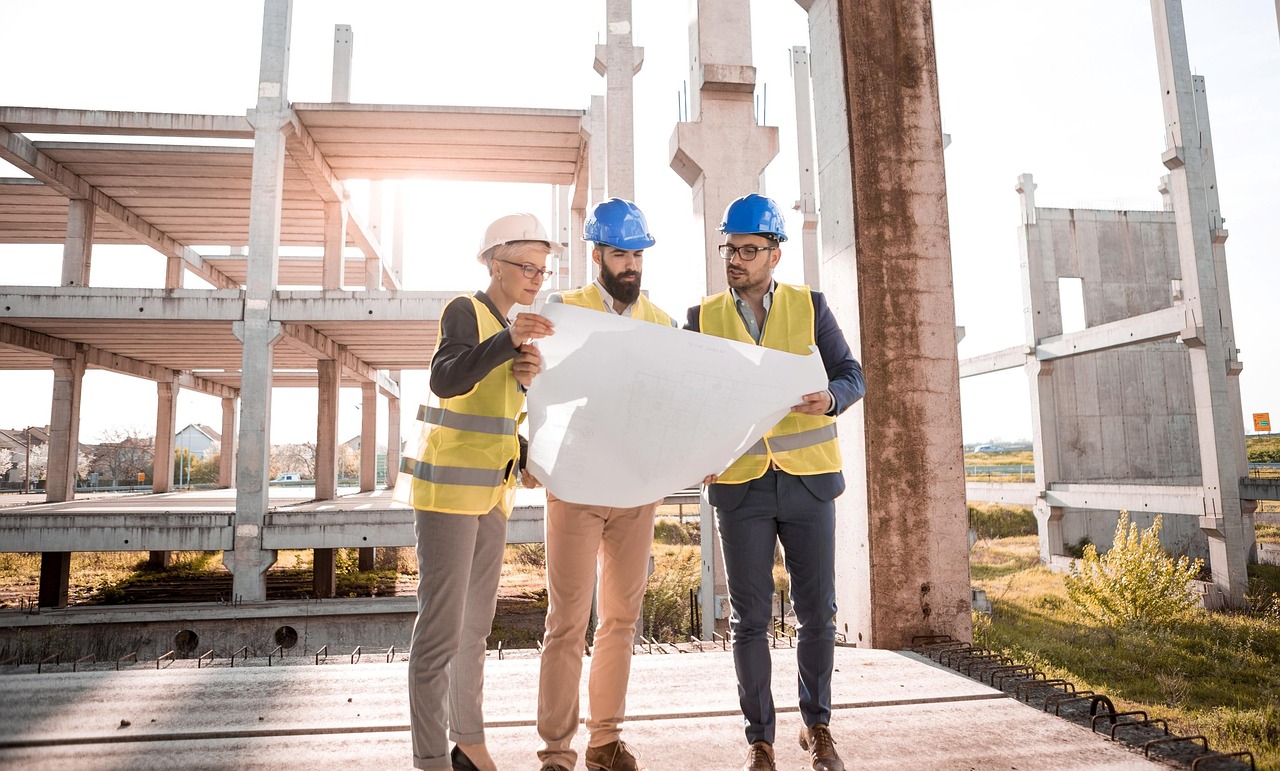
The world of construction is a dynamic and complex field, forming the backbone of our built environment. From the home you live in to the roads you travel, every structure is the result of a deliberate and multifaceted process. Understanding the fundamentals—from the different categories of work to the essential planning stages—is crucial for anyone involved, whether you’re a prospective homeowner, an investor, or a new professional in the industry.
Understanding the Major Construction Project Types
Not all construction projects are created equal. They are broadly classified into several sectors, each with its own unique set of standards, regulations, and challenges. Knowing these categories helps in setting accurate expectations, budgets, and timelines from the very beginning.
Residential Construction
This sector encompasses all buildings designed for living. It ranges from single-family homes and townhouses to large multi-unit apartment complexes and condominiums. Residential work often involves close collaboration with individual clients and must adhere to local zoning and community aesthetic guidelines.
Commercial Construction
This category includes projects intended for business and commerce. Think office buildings, retail stores, shopping malls, hotels, and restaurants. These projects typically require specialized systems for public safety, accessibility, and high-volume utilities, and they are often governed by stringent commercial building codes.
Industrial Construction
Industrial projects are highly specialized and focus on facilities for manufacturing, production, power generation, and logistics. Examples include factories, chemical plants, oil refineries, and large warehouses. These projects demand engineering expertise for heavy machinery integration, unique material handling, and often complex regulatory compliance.
Infrastructure (Heavy Civil) Construction
This is the construction of large-scale public works that form a society’s foundational networks. It includes:
- Roads, Highways, and Bridges: Critical for transportation and economic connectivity.
- Mass Transit Systems: Such as railways, subways, and airports.
- Water and Sewer Systems: Including treatment plants, pipelines, and drainage.
- Dams and Energy Grids: Large-scale projects that manage resources and utilities.
These are usually public-sector projects with long planning horizons and significant environmental impact assessments.
The Critical Phases of Construction Planning
Long before the first shovel hits the ground, a successful project undergoes meticulous planning. Rushing this stage is a primary reason for budget overruns and delays. The planning process systematically transforms an idea into an executable blueprint.
1. Concept and Feasibility
This initial phase answers fundamental questions. Is the project idea viable? Key activities include:
- Defining Project Objectives: What is the core purpose and desired outcome?
- Site Analysis: Evaluating the land for topography, soil conditions, and accessibility.
- Preliminary Budget Estimates: A high-level financial assessment to gauge economic feasibility.
- Regulatory Review: Understanding zoning laws, environmental restrictions, and permitting pathways.
2. Design Development
Architects and engineers take the approved concept and develop detailed designs. This phase produces the construction documents that will guide the entire build.
- Schematic Design: Initial sketches showing spatial relationships and scale.
- Design Development: Refining the design, selecting materials, and integrating structural and mechanical systems.
- Construction Documents: Producing the final, detailed drawings and technical specifications that contractors will bid on and build from.
3. Preconstruction and Procurement
With designs in hand, the focus shifts to assembling the team and securing resources. A project manager or general contractor typically leads this phase.
- Selecting the Contractor: Through a competitive bidding process or negotiated contract.
- Finalizing Budget and Schedule: Creating the definitive project cost baseline and a detailed master timeline.
- Securing Permits: Submitting plans to authorities to obtain all necessary legal approvals to begin work.
- Procuring Materials: Ordering long-lead items to prevent delays once construction commences.
Key Considerations for a Successful Project
Beyond type and plan, several cross-cutting factors profoundly influence a project’s trajectory. Proactively managing these areas separates smooth projects from problematic ones.
Budget Management and Cost Control
Financial oversight is continuous. A realistic budget must include not just materials and labor, but also contingencies for unforeseen issues, permit fees, and financing costs. Regular cost reporting is essential to identify variances early.
Timeline and Scheduling
A detailed schedule, often using Gantt charts or critical path method (CPM) software, sequences all activities. It accounts for dependencies—like completing the foundation before erecting walls—and factors in weather, material delivery times, and labor availability.
Risk Management and Safety
Construction sites are inherently risky. A formal risk management plan identifies potential problems—from site accidents to material shortages—and outlines mitigation strategies. A culture of safety, enforced through protocols and training, is non-negotiable to protect workers and the public.
Quality Assurance and Compliance
Quality must be built in, not inspected in later. This involves:
- Using specified materials that meet standards.
- Adhering to approved designs and building codes.
- Conducting regular inspections at defined milestones.
Communication and Stakeholder Management
A project has many stakeholders: the owner, the design team, contractors, subcontractors, regulators, and the community. Clear, consistent communication channels and regular update meetings are vital to align everyone, manage expectations, and resolve issues promptly.
The Construction Execution Process
With planning complete, the project moves into the physical construction phase. This is typically broken down into a logical sequence of work, though phases often overlap.
Site Preparation and Foundation
The work begins by clearing and grading the land. Utilities are stubbed in, and excavations are made for the foundation—whether it’s a slab, crawl space, or full basement. This stage sets the literal and figurative groundwork for everything that follows, and its accuracy is paramount.
Structural Framing and Enclosure
The skeleton of the building goes up. This includes erecting walls, floors, and the roof structure. Once the frame is complete, the building is “dried in” with sheathing, roofing, and windows to protect the interior from the elements, allowing interior work to proceed in any weather.
Mechanical, Electrical, and Plumbing (MEP) Rough-Ins
Before walls are closed up, the crucial internal systems are installed. Electricians run wiring, plumbers install pipes, and HVAC technicians put in ductwork. These “rough-in” installations are then inspected before insulation and drywall conceal them.
Interior Finishes and Exterior Work
This phase gives the project its final character. Interior work includes hanging drywall, installing trim, painting, and placing flooring and fixtures. Exterior work involves siding, landscaping, paving, and final grading.
Final Inspections and Project Closeout
The last official steps ensure the project is complete, safe, and ready for occupancy. Authorities conduct final inspections against the approved plans and codes. The project team then provides the owner with all warranties, operation manuals, and “as-built” drawings, formally transferring responsibility.
Navigating a construction project successfully requires a solid grasp of these fundamentals. By understanding the distinct project types, respecting the thoroughness of the planning stages, and diligently managing the key considerations throughout, stakeholders can approach even complex builds with greater confidence and clarity. The difference between a vision and a finished structure lies in this detailed, disciplined approach to the entire construction process.
- The 2026 Aviation Training Guide – 23/04/2026
- The 2026 Home Water Purity Guide – 22/04/2026
- The Business Mobile Solutions Guide – 20/04/2026

Leave a Reply