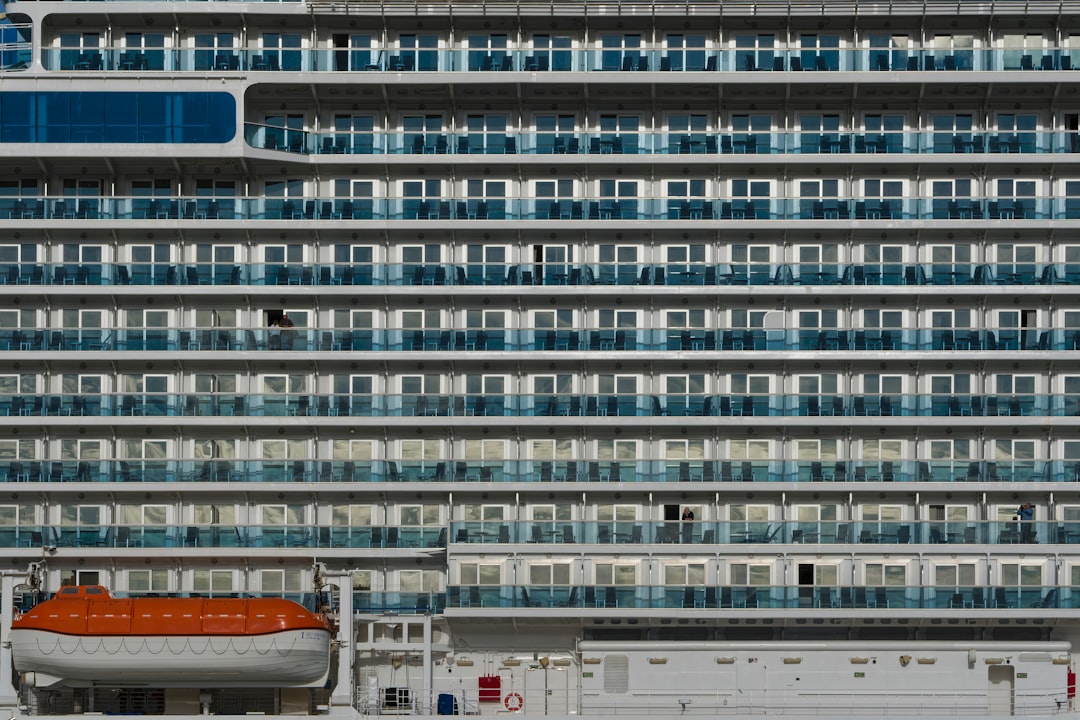
The world of cruise travel presents a unique and often alluring proposition: the chance to visit multiple destinations while your hotel travels with you. For many, it represents the ultimate in convenience and relaxation, but the sheer variety of options can be overwhelming for first-time planners. This guide breaks down the essential components, from selecting your ideal route to understanding the onboard experience, providing a clear framework for planning your voyage.
Choosing Your Cruise Destination
The destination is the cornerstone of any cruise itinerary. Modern fleets sail to virtually every corner of the globe, offering experiences tailored to diverse interests, from tropical relaxation to cultural immersion and rugged adventure.
Popular Cruise Regions and Their Appeal
Each major cruising region offers a distinct flavor and set of attractions. Understanding these differences is key to matching the journey with your personal travel goals.
- The Caribbean & The Bahamas: The quintessential sun-and-sea escape. These voyages typically feature a mix of vibrant port towns, pristine beaches, and water-based activities. Itineraries are often categorized by eastern, western, or southern routes, each with a slightly different mix of islands.
- The Mediterranean: A journey steeped in history, art, and cuisine. Sailings can focus on the Western Med (Spain, France, Italy) or the Eastern Med (Greece, Turkey, Croatia), offering dense itineraries with iconic cities and ancient ruins often just steps from the port.
- Alaska: Defined by breathtaking natural scenery. These cruises prioritize glacier viewing, wildlife spotting (whales, bears, eagles), and ports rich in Gold Rush history. The inside passage provides sheltered, scenic sailing.
- Northern Europe & The Baltic: Ideal for culture and history enthusiasts. Itineraries frequently include majestic Scandinavian fjords and grand capital cities like Stockholm, Copenhagen, and St. Petersburg, offering a blend of natural beauty and urban sophistication.
- Asia & Australia/New Zealand: These regions offer incredibly diverse experiences, from the futuristic cities and ancient temples of Southeast Asia to the unique wildlife and dramatic landscapes of Australasia.
Beyond the Mainstream: Niche and Expedition Cruising
For travelers seeking something beyond the classic resort-style voyage, specialized options abound. These journeys often focus on deeper immersion and unique access.
- River Cruises: Operating on inland waterways like the Danube, Rhine, or Mekong, these ships offer an intimate, destination-intensive experience, docking in the heart of historic towns and cities.
- Expedition Cruises: Designed for remote destinations like Antarctica, the Galápagos, or the Arctic. Smaller, ice-strengthened vessels focus on exploration via Zodiac boats and are staffed with expert naturalists and guides.
- Theme & Interest-Based Cruises: Many lines offer sailings centered on specific hobbies, such as music, culinary arts, wellness, or astronomy, featuring guest experts and curated activities.
Understanding the Onboard Experience
A modern cruise ship is a destination in itself. The atmosphere, amenities, and included services can vary dramatically between cruise lines, making it crucial to select a vessel that matches your desired vacation style.
Accommodation and Dining
Your stateroom and meals form the foundation of your daily experience. Options range from comfortable and compact to exceptionally spacious and luxurious.
- Stateroom Categories: Choices typically include interior rooms (no window), oceanview (with a porthole or window), balcony (private veranda), and suites. Suites often come with additional perks like priority boarding, concierge service, and access to exclusive lounge areas.
- Dining Styles: Most mainstream lines operate on a flexible or fixed-time dining system in main dining rooms, complemented by casual buffet options available throughout the day. Specialty restaurants (often for an additional fee) provide gourmet alternatives.
- Beverage Packages: Cruise lines offer various drink packages covering soda, premium coffee, and alcoholic beverages. Evaluate your habits carefully, as these packages must usually be purchased for the entire voyage and may not represent value for all travelers.
Activities, Entertainment, and Amenities
Today’s ships are engineered for non-stop engagement, with facilities that rival top land-based resorts. The focus can range from high-energy fun to serene relaxation.
- Family & Adventure Features: Many ships boast water slides, surf simulators, rope courses, zip lines, and dedicated kids’ and teens’ clubs with supervised activities.
- Wellness & Relaxation: Full-service spas, thermal suites, adults-only sun decks, and well-equipped fitness centers are standard. Many ships also offer complimentary classes like yoga or sunrise stretching.
- Evening Entertainment: Broadway-style production shows, live music in multiple venues, comedy clubs, casinos, and themed parties provide ample options after dark.
- Enrichment Programs: Lectures on destination topics, cooking demonstrations, wine tastings, and hands-on workshops (like photography or painting) are commonly offered, particularly on longer voyages or premium lines.
Essential Planning Considerations
A smooth and enjoyable cruise begins with thoughtful preparation. Addressing these key logistical elements well in advance can prevent stress and unexpected expenses.
Budgeting and Timeline
The advertised base fare is just the starting point. A comprehensive budget accounts for all ancillary costs, which can add significantly to the total.
- Fare Inclusions: Typically, your fare covers your stateroom, meals in main dining venues, basic beverages (tap water, tea, coffee, milk), onboard activities, and most entertainment.
- Common Extra Costs: Plan for gratuities (often automatically added daily), shore excursions, alcoholic drinks and specialty coffees, dining in specialty restaurants, spa treatments, internet access, and transportation to/from the home port.
- Booking Window: The best pricing and stateroom selection are often found by booking early (6-12 months in advance) or by taking advantage of last-minute deals for flexible travelers. Sailing during shoulder seasons can also yield better value.
Logistics and Documentation
Proper documentation and understanding of boarding procedures are non-negotiable for a hassle-free start to your holiday.
- Passports and Visas: A passport valid for at least six months beyond your return date is required for most international itineraries. Some destinations require visas, which are the passenger’s responsibility to secure.
- Online Check-in: Complete your cruise line’s online check-in as soon as it opens. This process secures your boarding time and allows you to print luggage tags and boarding passes.
- Travel Insurance: Highly recommended. A comprehensive policy can cover trip cancellation/interruption, medical emergencies at sea or abroad, and lost or delayed baggage.
- Packing Strategy: Pack for variable weather and bring essential medications in your carry-on. Most ships have formal or dress-up nights, so check your line’s specific guidelines. Don’t forget power adapters if needed.
Making the Most of Port Days
Shore excursions are a highlight for many, offering guided access to a destination’s key sights and experiences. Planning how you’ll spend this time is crucial.
- Ship-Organized Excursions: The most convenient and secure option. The ship guarantees it will wait for late-returning tours. These are often more expensive but include vetted guides and transportation.
- Independent Exploration: Offers more flexibility and can be more economical. Research port facilities, local transportation, and major attractions in advance. Always ensure you return to the ship well before the stated “all aboard” time.
- Private Tours: A middle-ground option where you book a guide/driver for just your party, often at a lower cost per person than a large ship tour, while maintaining a customized schedule.
Setting Realistic Expectations
A successful cruise vacation aligns expectations with reality. Understanding the inherent nature of this travel style allows you to fully embrace its benefits while navigating its unique parameters.
Itineraries provide a sampler of destinations, not deep immersion. Port visits are often limited to 8-10 hours, which is perfect for a highlights tour, a beach visit, or a focused activity. The true luxury often lies in the journey itself—waking up to a new vista each morning without the hassle of packing and unpacking.
Ships are self-contained communities. You will be sharing space with thousands of other passengers, which can mean lines for popular activities or the need to book reservations for shows and dining in advance. Conversely, this creates a social atmosphere many travelers enjoy.
The final step in your planning process involves synthesizing all these elements—destination desires, preferred onboard atmosphere, budget, and logistics—into a single, coherent choice. By methodically considering each facet outlined here, you move from simply looking at brochures to confidently selecting the specific voyage that promises the experience you seek, setting the stage for a memorable and seamless journey at sea.
- The 2026 Aviation Training Guide – 23/04/2026
- The 2026 Home Water Purity Guide – 22/04/2026
- The Business Mobile Solutions Guide – 20/04/2026

Leave a Reply