A dripping faucet, a stubborn door, a flickering light—these minor household issues are universal. While they can be sources of frustration, they also represent an opportunity. With a foundational understanding and a modest set of tools, you can address many common problems, maintain your home’s value, and gain a profound sense of accomplishment.
This guide is designed to demystify essential home repair basics. We will explore frequent issues, outline the fundamental tools required, and establish a framework for proactive maintenance. The goal is not to make you a master contractor overnight, but to equip you with the knowledge to tackle small projects confidently and know when to call a professional.
Essential Tools for Every Household
Before addressing specific problems, assembling a core toolkit is the first critical step. You do not need a garage full of expensive equipment. A well-curated, basic collection will handle a majority of tasks.
The Non-Negotiable Basics
These items form the backbone of your home repair capabilities. Invest in quality versions; they will last for decades.
- Claw Hammer: For driving nails, light demolition, and pulling them out.
- Screwdriver Set: A set with multiple flat-head and Phillips-head sizes is essential. Consider a multi-bit driver for convenience.
- Adjustable Wrench: This one tool can replace an entire set of fixed-size wrenches for many tasks.
- Slip-Joint Pliers & Needle-Nose Pliers: For gripping, bending, and manipulating wires or small parts.
- Tape Measure: A 25-foot retractable model is ideal for most indoor and outdoor projects.
- Utility Knife: For cutting boxes, trimming carpet, scoring drywall, and more.
- Level: A 2-foot level ensures pictures, shelves, and fixtures are hung correctly.
Highly Recommended Additions
Once you have the basics, these tools will expand your project scope significantly.
- Cordless Drill/Driver: Perhaps the most versatile power tool. Look for a combo kit with a drill and an impact driver.
- Stud Finder: Critical for safely hanging anything heavy on drywall.
- Putty Knife & Spackle: For repairing small holes and dings in walls before painting.
- Plunger & Drain Snake: A must-have for addressing clogged sinks and toilets.
- Voltage Tester: A simple, non-contact tester can confirm if a wire or outlet is live, a vital safety check.
Common Household Fixes You Can Handle
Armed with your toolkit, let’s examine some of the most frequent issues that arise in a home. Approach each task methodically and always prioritize safety.
1. Plumbing: Drips and Clogs
Minor plumbing problems are often straightforward. A dripping faucet is typically caused by a worn washer or cartridge inside the handle.
- The Fix: Turn off the water supply valves under the sink. Disassemble the faucet handle, identify the model, and purchase an identical replacement kit from a hardware store. Reassemble in reverse order.
- For Clogs: Always try a plunger first. For sink drains, a drain snake can physically remove hair and debris from the trap. Avoid chemical drain cleaners, as they can damage pipes over time.
2. Electrical: Switches and Outlets
Working with electricity requires caution. Only proceed if you are comfortable and always turn off the power at the circuit breaker first, verifying it’s off with your voltage tester.
- Replacing a Light Switch: With the power confirmed off, remove the faceplate and switch. Take a photo of the wire configuration before disconnecting. Connect the new switch exactly as the old one was wired.
- Replacing a Non-Functional Outlet: The process is similar to a switch. Ensure you match wire to wire (typically black to brass, white to silver, bare copper to green).
3. Drywall: Holes and Dings
Walls inevitably suffer small injuries. Repairing them is a simple, satisfying project.
- Small Holes (from nails or pins): Apply a small amount of spackle with your putty knife, let it dry, sand it smooth, and touch up with paint.
- Larger Holes (doorknob-sized): Use a drywall patch kit. It typically involves a self-adhesive mesh patch. Apply joint compound over it in thin layers, sanding between coats for a seamless finish.
4. Doors and Windows: Sticking and Drafts
A sticking door is often a matter of friction. A drafty window wastes energy and comfort.
- Sticking Door: Identify where it’s rubbing by looking for marks on the frame. Tighten the hinge screws first. If it still sticks, you can carefully sand or plane down the high spot.
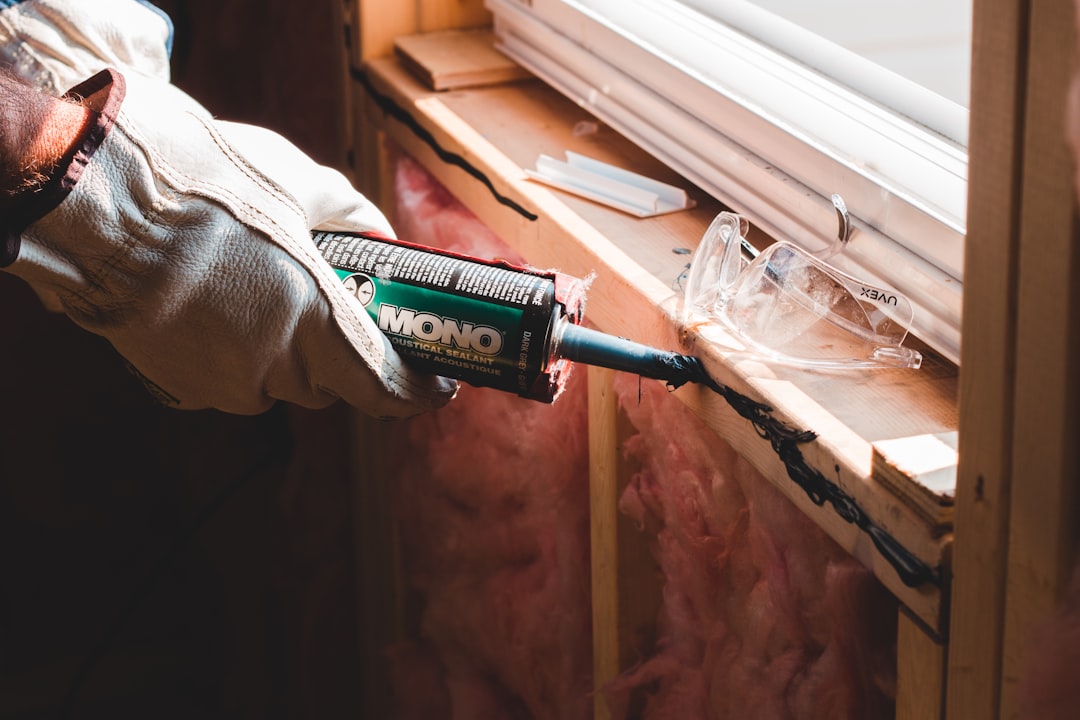
- Drafty Window: Apply self-adhesive weatherstripping foam to the interior sash stops. For older windows, re-caulking the exterior trim can seal out air and moisture.
Proactive Maintenance: The Key to Preventing Costly Repairs
The most effective home repair strategy is prevention. A consistent, seasonal maintenance routine can identify small issues before they become major, expensive problems.
Seasonal Maintenance Checklist
Incorporate these tasks into your calendar to keep your home in optimal condition.
- Spring: Clean gutters and downspouts. Inspect the roof for missing or damaged shingles. Check exterior caulking around windows and doors. Service your air conditioning unit.
- Summer: Test smoke and carbon monoxide detectors. Inspect decks and porches for loose boards or railings. Check for insect nests or pest entry points.
- Fall: Clean gutters again after leaves drop. Drain and winterize outdoor faucets. Have your heating system professionally serviced. Seal any cracks in the driveway or walkways.
- Winter: Monitor for ice dams on the roof. Keep vents clear of snow. Check for drafts and add insulation where needed. Know the location of your main water shut-off valve in case of a pipe freeze.
Monthly and Annual Tasks
- Monthly: Check under sinks for leaks. Listen for unusual noises from appliances. Test GFCI outlets in kitchens and bathrooms by pressing the “Test” button.
- Annually: Flush your water heater to remove sediment. Clean dryer vent ducts thoroughly to prevent fire hazards. Inspect the attic for signs of moisture, pests, or inadequate insulation.
Knowing When to Call a Professional
A crucial part of home repair wisdom is recognizing your limits. Some projects involve significant risk, require specialized tools, or are governed by local building codes.
You should strongly consider hiring a licensed professional for the following:
- Any major electrical work involving the main service panel or running new circuits.
- Significant plumbing repairs like replacing main sewer lines, moving pipes, or extensive re-piping.
- Structural modifications, including removing walls or altering load-bearing elements.
- Roof repairs beyond replacing a few shingles, especially on steep pitches.
- Projects involving natural gas lines or appliances.
The journey from being intimidated by a loose hinge to confidently fixing a leaky faucet is empowering. By building a basic toolkit, understanding common fixes, and committing to regular maintenance, you transform from a passive occupant into an active steward of your home. This knowledge not only saves money but also fosters a deeper connection to your living space. Start with one small project this weekend, and you’ll build the confidence for the next.
- The 2026 Aviation Training Guide – 23/04/2026
- The 2026 Home Water Purity Guide – 22/04/2026
- The Business Mobile Solutions Guide – 20/04/2026

Leave a Reply