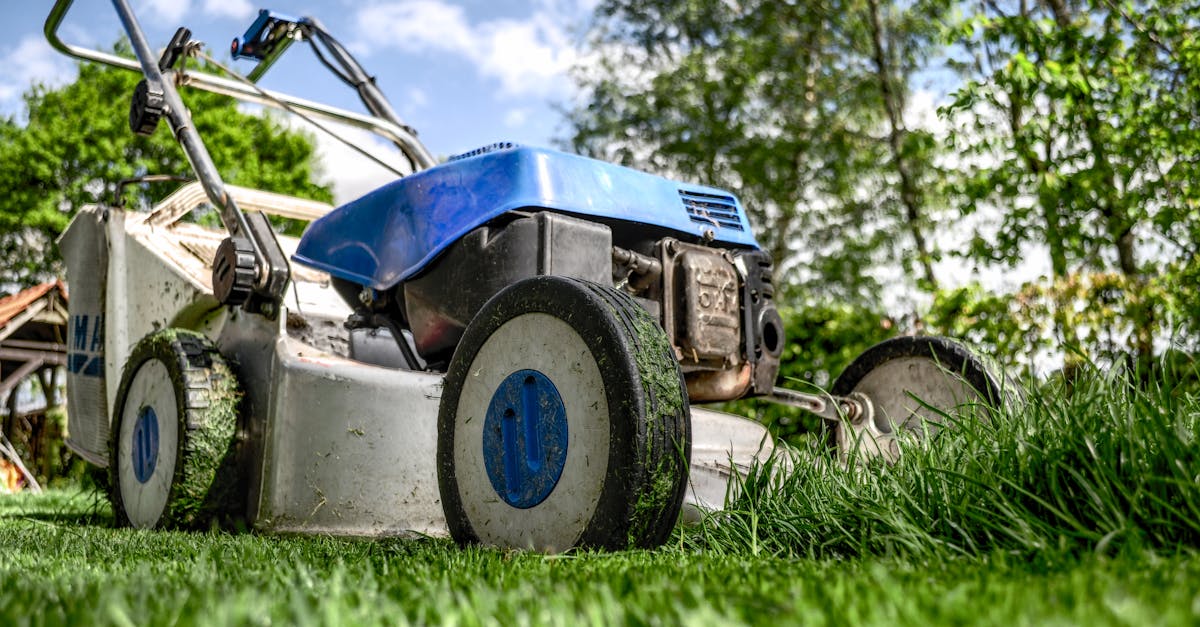
A vibrant, healthy lawn is more than just a patch of green; it’s the foundation of your home’s curb appeal and a personal outdoor retreat. Achieving that lush carpet, however, requires more than sporadic mowing. It demands a fundamental understanding of core principles that adapt to your specific environment.
Successful lawn management hinges on recognizing that a one-size-fits-all approach rarely works. Your strategy must be tailored, starting with two critical identifiers: your local climate and the type of grass growing underfoot.
Understanding Your Lawn’s Foundation
Before you can care for your lawn effectively, you need to know what you’re working with. This initial assessment saves time, money, and frustration down the line.
Climate Zone and Grass Type
Grasses are broadly categorized by the temperatures in which they thrive. Cool-season varieties, like Kentucky bluegrass and fescue, grow most vigorously in the spring and fall, often struggling in summer heat. Warm-season grasses, such as Bermuda, Zoysia, and St. Augustine, peak during the hot summer months and go dormant, turning brown, in cooler weather.
Your local climate dictates which group will perform best. This fundamental mismatch is a common source of lawn problems. Planting a cool-season grass in a hot, southern climate guarantees a constant battle against stress and disease.
Soil Health: The Unseen Engine
Beneath the surface, your soil’s condition is paramount. Compacted soil prevents water, air, and nutrients from reaching the root zone. A simple soil test, available through local extension offices, provides invaluable data.
This test reveals:
- pH Level: Most grasses prefer a slightly acidic pH (6.0 to 7.0). If your soil is too acidic or alkaline, grass cannot access nutrients, no matter how much fertilizer you apply.
- Nutrient Deficiencies: Precise levels of key nutrients like nitrogen, phosphorus, and potassium, allowing you to fertilize strategically.
- Soil Composition: The balance of sand, silt, and clay, which affects drainage and aeration.
Essential Lawn Maintenance Practices
With your lawn’s profile established, consistent, proper care becomes the routine that builds resilience and beauty. These are the non-negotiable tasks for any homeowner.
Mowing with Strategy
Mowing is not just about height; it’s about plant health. Each grass type has an ideal mowing height range. Cutting too short (“scalping”) stresses the grass, weakening roots and inviting weeds.
- Follow the “One-Third Rule”: Never remove more than one-third of the grass blade in a single mowing. This may mean mowing more frequently during peak growth periods.
- Keep Blades Sharp: Dull mower blades tear grass, creating ragged, brown tips that are more susceptible to disease.
- Vary Your Pattern: Mowing in the same direction every time can compact soil and cause grass to lean. Change your route each time you mow.
Watering Deeply and Infrequently
Frequent, shallow watering encourages weak, shallow root systems. The goal is to train roots to grow deep in search of moisture, which creates a more drought-tolerant lawn.
- Target 1 to 1.5 Inches per Week: This includes rainfall. Use a simple tuna can placed on the lawn to measure your sprinkler’s output.
- Water in the Early Morning: This reduces evaporation and allows grass blades to dry before evening, minimizing the risk of fungal diseases.
- Observe, Don’t Just Schedule: If the grass springs back when stepped on, it doesn’t need water. Wilting or a bluish-gray tint are signs of thirst.
Fertilizing with Precision
Fertilizer feeds your lawn, but timing and formulation are everything. Base your schedule on your grass type and the recommendations from your soil test.
- Cool-Season Grasses: Benefit most from fertilizer in early fall and again in late spring.
- Warm-Season Grasses: Should be fed in late spring or early summer as they exit dormancy and begin active growth.
- Choose the Right Product: Slow-release fertilizers provide a steady nutrient supply over time and are less likely to burn the lawn or pollute waterways.
Seasonal Considerations for Year-Round Health
Your lawn’s needs change dramatically with the seasons. A proactive, calendar-based approach prevents problems before they start.
Spring: Revival and Assessment
Spring is a time of renewal. Focus on cleanup, repair, and setting the stage for strong summer growth.
- Gentle Cleanup: Rake to remove winter debris and matted grass (thatch) to allow light and air to reach the soil.
- Address Bare Spots: Loosen soil and overseed or sod these areas early in the season.
- Apply Pre-Emergent Herbicide: For weed control, apply a pre-emergent product to prevent crabgrass and other weeds from germinating.
- First Mow: Wait until the grass is actively growing and has reached its ideal mowing height before the first cut.
Summer: Protection and Maintenance
Heat and drought are the primary summer challenges. Adjust your practices to reduce stress on the lawn.
- Raise Mowing Height: A taller blade of grass shades the soil, conserves moisture, and helps crowd out weeds.
- Monitor for Pests and Disease: Watch for irregular brown patches, thinning grass, or insect activity. Early identification is key.
- Water Wisely: Adhere to deep, infrequent watering, and follow any local water restrictions.
Fall: Preparation for Dormancy
Fall is arguably the most important season for lawn care. The work you do now strengthens the root system for winter and ensures a quick green-up next spring.
- Core Aeration: This process removes small plugs of soil to relieve compaction, allowing water, air, and fertilizer to reach the roots.
- Overseeding: For cool-season lawns, fall is the ideal time to overseed to thicken the turf and fill in bare spots.
- Final Fertilization: A fall fertilizer application for cool-season grasses promotes root growth without stimulating top growth that could be damaged by frost.
- Continue Mowing: Keep mowing as long as the grass is growing, gradually lowering the height for the final cut of the season.
Winter: Rest and Planning
While growth halts, a few simple steps protect your lawn. Keep foot traffic on frozen or dormant grass to a minimum to prevent damage. Ensure fall leaves are cleared to avoid smothering the grass. This is also the perfect time to service your mower and other equipment and to plan your strategy for the coming year.
When to Consider Professional Lawn Care Services
For many homeowners, managing a lawn is a rewarding DIY endeavor. However, professional services offer expertise, efficiency, and access to commercial-grade solutions that can be valuable in specific situations.
- Complex Problem Diagnosis: Persistent issues like severe disease, major pest infestations, or chronic drainage problems often require a professional’s eye and treatment options not available at retail.
- Time or Physical Constraints: If your schedule or ability to perform strenuous tasks like aeration is limited, outsourcing these jobs ensures they are completed correctly and on time.
- Desire for a Guaranteed Result: Many companies offer service plans with guarantees, providing peace of mind and a consistent, high-quality appearance.
- Major Renovations: Projects like complete lawn re-establishment, advanced irrigation system installation, or significant landscaping changes are typically best handled by professionals.
The journey to a healthier lawn begins with moving beyond generic advice and embracing the specific needs of your outdoor space. By understanding your grass type, respecting the seasons, and implementing consistent, proper care, you cultivate not just turf, but a resilient and beautiful landscape. For those seeking to deepen their knowledge or address specific challenges, exploring the tailored guidance of lawn care experts can provide the clarity and advanced strategies needed to achieve exceptional results.
- The 2026 Aviation Training Guide – 23/04/2026
- The 2026 Home Water Purity Guide – 22/04/2026
- The Business Mobile Solutions Guide – 20/04/2026

Leave a Reply