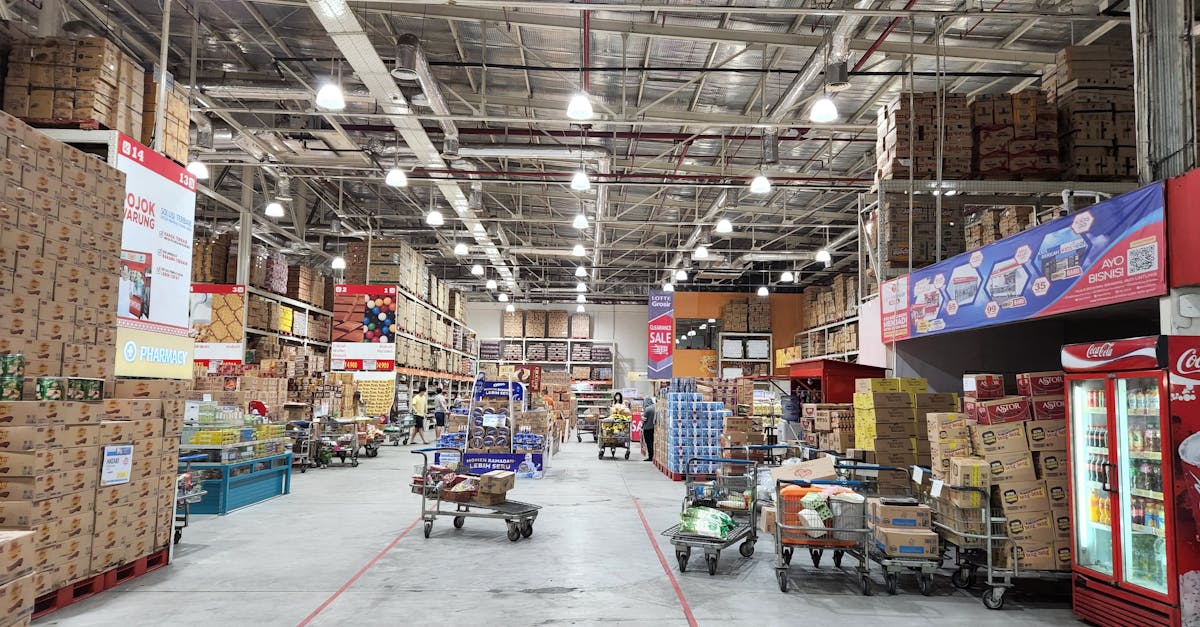
The world of retail is a constant cycle of new arrivals and unsold stock. For every product that flies off the shelves, another ends up as surplus, a customer return, or an overstocked item. This creates a hidden, multi-billion dollar market where savvy entrepreneurs and established businesses can source inventory at a significant discount. This is the domain of liquidation wholesale.
At its core, this sourcing method involves purchasing large quantities of merchandise that retailers, manufacturers, or distributors need to move quickly. It’s a foundational strategy for resellers, e-commerce store owners, and brick-and-mortar operators looking to maximize profit margins. Understanding how it works is the first step to unlocking its potential.
What Is Liquidation Wholesale?
Liquidation wholesale is the process of buying surplus goods in bulk, typically through specialized marketplaces or direct from companies. This merchandise is no longer part of a retailer’s primary sales strategy and is sold off in large lots to recover capital and free up warehouse space.
The inventory in this channel doesn’t come from failing businesses, but rather from the normal, high-velocity operations of successful ones. Major retailers generate a continuous stream of this stock, creating a reliable supply for buyers.
Common Sources of Liquidation Inventory
The goods available come from several key channels:
- Customer Returns: Items sent back to a store, often in like-new condition but unable to be sold as new.
- Overstock & Shelf-Pulls: Excess inventory from a seasonal line, a discontinued model, or items removed from display.
- Refurbished & Open-Box: Electronics and appliances that have been inspected, repaired if necessary, and certified for resale.
- Closeout Merchandise: Products from a line that is being permanently discontinued.
- Freight Damaged or Salvage: Pallets where the outer shipping packaging is damaged, but interior items may be perfectly intact.
Exploring the Types of Products Available
The variety is vast, mirroring the breadth of the retail landscape itself. From big-box general merchandise to niche apparel, opportunities exist across nearly every category.
General Merchandise and Home Goods
This is one of the largest and most accessible categories. Buyers can find everything from kitchenware and small appliances to toys, tools, and home decor. These lots are often mixed, offering a diverse selection ideal for online marketplaces, flea markets, or discount stores.
Electronics and Appliances
A high-value category that includes smartphones, laptops, tablets, televisions, and major kitchen appliances. Much of this stock consists of customer returns or refurbished items. Success here requires a bit more technical knowledge or a trusted testing process.
Apparel and Footwear
Clothing liquidation is prolific, offering brand-name garments, shoes, and accessories. Lots can range from unsold seasonal fashion to returned items with original tags still attached. Condition grading is particularly important in this category.
Specialty and Niche Products
For those with specific expertise, liquidation can be a source for automotive parts, health and beauty products, sporting goods, and furniture. These niches often have less competition and more predictable buyer demand.
How Liquidation Buying Works: A Step-by-Step Overview
Engaging with this market follows a structured process, distinct from traditional wholesale purchasing.
1. Sourcing from Liquidation Marketplaces
Most transactions occur on dedicated online platforms. These sites act as intermediaries, listing pallets or truckloads of inventory from major retailers. Buyers can browse by category, condition, and source, often with detailed manifests listing the contents of each lot.
2. Understanding Lot Types and Pricing
Inventory is sold in several configurations:
- Pallet Lots: Merchandise stacked on a standard shipping pallet, often sold by the truckload or individually.
- Case Packs: Unopened boxes of a single SKU (Stock Keeping Unit).
- Mixed Lots: Assortments of different products, which can help mitigate risk.
- Truckloads: The largest volume purchase, filling an entire shipping container.
Pricing is not per item but for the entire lot. It is influenced by the product category, the condition grade, and the perceived retail value of the contents.
3. The Bidding and Buying Process
Many platforms operate on a bid system, similar to an auction. Others offer fixed-price “Buy Now” options. Once a lot is won or purchased, the buyer arranges for shipping or local pickup from the seller’s warehouse.
Critical Factors to Consider When Exploring Options
While the discounts are compelling, informed buying decisions are paramount. Several key factors separate profitable purchases from costly mistakes.
Condition Grading and Manifest Accuracy
Liquidation merchandise is almost always sold “as-is,” but it comes with a condition grade. Understanding these grades is non-negotiable:
- New: Typically customer returns in original packaging, often untested.
- Refurbished: Professionally repaired and certified to work.
- Grade B: May have light cosmetic damage or missing accessories.
- Salvage: Usually damaged or for parts; highest risk.
Always review the lot manifest—the itemized list of contents—but build a buffer for discrepancies, as actual contents can sometimes vary.
Calculating All-In Costs
The lot price is just the beginning. A comprehensive cost analysis must include:
- Shipping and freight fees to your location.
- Warehousing or storage costs upon arrival.
- Labor for sorting, testing, and listing items.
- Fees for your sales channel (e.g., marketplace commissions).
Only after adding these figures can you determine your true cost per item and potential profit margin.
Choosing the Right Sales Channel
Your exit strategy should influence your buying decision. Different products perform better on different platforms:
- eCommerce Marketplaces: Ideal for individual, branded items in good condition.
- Own Website: Offers higher margins but requires marketing investment.
- Flea Markets / Swap Meets: Suited for mixed lots and lower-priced goods.
- Discount Retail Store: Requires consistent volume and a local customer base.
Building a Sustainable Sourcing Strategy
Treating liquidation buying as a strategic operation, rather than a series of one-off deals, is the path to long-term success. This involves developing systems for due diligence, inventory management, and relationship building.
Start small with a pallet in a category you understand. Meticulously track your results—what sold quickly, what didn’t, and your net profit after all expenses. Use this data to inform larger, more targeted purchases. Over time, you can identify reliable sources and product types that align with your business model.
The wholesale liquidation market offers a legitimate and powerful avenue for sourcing inventory. Its effectiveness hinges on a buyer’s commitment to education, careful calculation, and strategic planning. By thoroughly exploring how it works, what is available, and the factors that influence a successful purchase, businesses can transform retail surplus into a steady stream of opportunity and profit.
- The 2026 Aviation Training Guide – 23/04/2026
- The 2026 Home Water Purity Guide – 22/04/2026
- The Business Mobile Solutions Guide – 20/04/2026

Leave a Reply