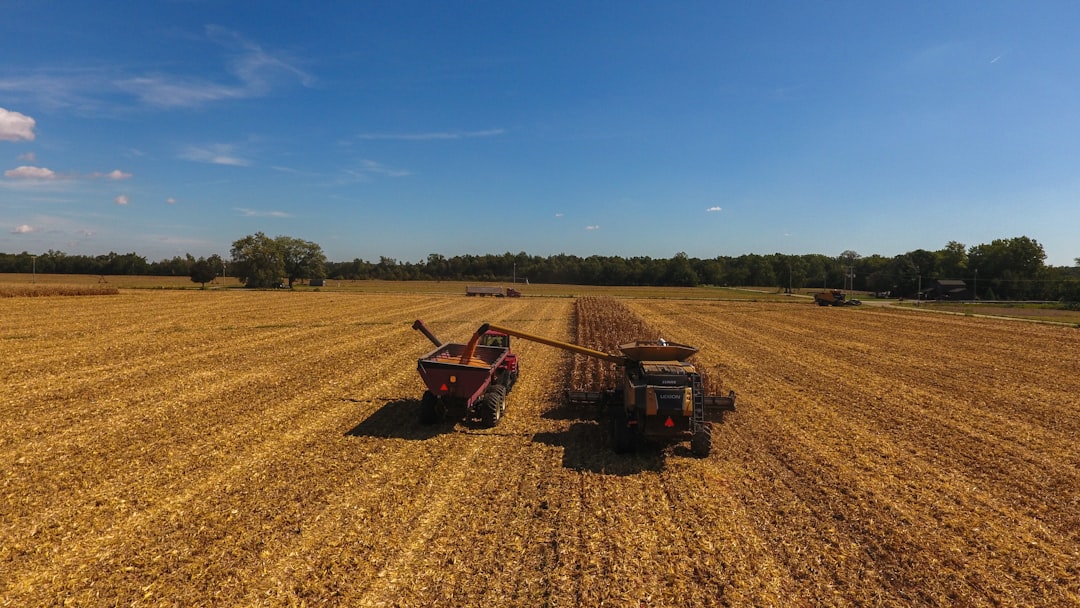
The modern tractor is the cornerstone of efficient land management and agricultural production. Far more than a simple machine, it is a versatile power unit that enables a vast array of tasks, from tilling soil to moving materials. Selecting the right one requires a clear understanding of the different types available, their intended uses, and the key features that separate a basic model from a productivity powerhouse.
Understanding the Core Types of Tractors
Tractors are categorized primarily by their size, power, and chassis design. The right choice depends heavily on the scale of your operation and the specific tasks you need to accomplish.
Utility Tractors: The All-Purpose Workhorse
This is the most common category, designed for a wide range of general-purpose tasks. They offer an excellent balance of power, size, and versatility.
Typical horsepower ranges from 45 to 140, making them suitable for:
- Mowing and landscaping on larger properties.
- Material handling with front-end loaders and pallet forks.
- Light to medium tillage and planting operations.
- Snow removal with blowers or plows.
Row Crop Tractors: Precision for Cultivated Fields
Engineered for farming operations that involve crops planted in rows, such as corn, soybeans, and cotton. Their defining feature is adjustable tread width.
This allows the wheels to be set to match different row spacings, minimizing crop damage during passes. Key characteristics include:
- Higher horsepower (often 100 to 300+) for pulling wide implements.
- Enhanced visibility for precise implement guidance.
- Advanced technology mounts for precision farming systems.
Compact Tractors: Power for Smaller Properties
Also known as sub-compact or small tractors, these machines are ideal for homeowners, hobby farmers, and small acreage management. Their smaller footprint is a major advantage.
Despite their size, they are incredibly capable and can handle tasks that overwhelm a standard lawn tractor.
- Perfect for gardening, orchard work, and small paddocks.
- Can operate in confined spaces like between barns or in wooded areas.
- Often feature a category 1 three-point hitch for using small implements.
Specialty Tractors: Designed for Specific Challenges
Certain applications demand specialized designs. These tractors are built to excel in unique environments or for singular tasks.
- Orchard Tractors: Low-profile with rounded fenders to protect fruit trees from damage.
- Industrial Tractors: Built for durability in construction, road maintenance, and loader work.
- Track Tractors (Crawlers): Use continuous tracks instead of wheels for superior traction and lower ground pressure in wet, soft, or steep conditions.
Essential Tractor Features and Components
Beyond the basic type, the features and specifications of a tractor determine its real-world capability and efficiency. Here are the critical elements to evaluate.
Power and Engine: The Heart of the Machine
Engine power, measured in horsepower (HP), is the primary indicator of a tractor’s ability to perform work. However, two key metrics matter:
- Engine HP: The raw power produced by the engine itself.
- PTO HP (Power Take-Off): Often more important, this measures the power available at the rear PTO shaft to run implements like mowers, balers, and generators.
Diesel engines are standard due to their torque, durability, and fuel efficiency under heavy load. Modern engines also feature emissions control systems to meet regulatory standards.
The Transmission: Controlling Power and Speed
The transmission transfers engine power to the wheels or tracks. The choice here greatly affects operator comfort and task efficiency.
- Manual Gear Transmission: Traditional, durable, and often lower cost. Requires clutching to change gears.
- Hydrostatic Transmission (HST): Uses hydraulic fluid to provide infinite speed control. Forward and reverse are controlled with a single pedal or lever, offering exceptional ease of use, especially for loader work.
- PowerShuttle & CVT: Advanced options that allow seamless direction changes and optimal engine speed for fuel efficiency.
Hydraulics and Hitches: The Connection to Work
A tractor’s true utility is unlocked by its ability to lift, lower, and power external implements. This is where hydraulic systems and hitches are vital.
The three-point hitch is a standardized system for attaching implements to the rear of the tractor. Its category (0, 1, 2, 3, 4) must match your implements.
- Hydraulic Flow Rate (GPM): Determines how quickly hydraulic cylinders and motors can operate.
- Hydraulic Pressure (PSI): Determines the lifting force available at the hitch or loader.
- Remote Hydraulics: Additional hydraulic outlets to control functions on complex implements.
Operator Station and Technology
Modern tractors focus heavily on operator comfort, safety, and precision. Time spent in the seat is more productive when the environment is well-designed.
- Cab vs. ROPS: An enclosed cab offers climate control, dust isolation, and noise reduction. A Roll-Over Protective Structure (ROPS) with a canopy is a critical safety feature on open-station models.
- Control Layout: Intuitive placement of levers and switches reduces fatigue.
- Precision Ag Technology: GPS guidance, auto-steer, and implement control systems maximize accuracy and input efficiency, reducing overlap and waste.
Common and Critical Uses for Tractors
The combination of a tractor’s type and features dictates its suitability for various applications. Understanding these common uses helps align equipment choice with operational goals.
Land Preparation and Crop Management
This is the traditional and most extensive use case. Tractors provide the power to prepare seedbeds, plant crops, and manage them throughout the season.
- Tillage: Pulling plows, discs, and harrows to break up and smooth soil.
- Planting and Seeding: Operating precision planters and seed drills.
- Crop Care: Powering sprayers for fertilizer and pesticide application.
- Harvesting Support: Pulling grain carts or operating hay balers and forage harvesters.
Property and Landscape Maintenance
For non-farm acreage, a tractor is the ultimate tool for stewardship and upkeep, transforming labor-intensive chores into manageable tasks.
- Mowing: Using rotary cutters (bush hogs) for fields or finishing mowers for lawns.
- Land Clearing: Using loaders, grapples, and forestry mulchers to manage brush and trees.
- Earth Moving: Grading driveways, digging ponds, and backfilling with box blades and rear blades.
- Seasonal Tasks: Snow removal with blowers or plows.
Material Handling and Livestock Operations
The front-end loader is arguably the most used attachment, turning the tractor into a highly mobile and powerful lifting machine.
This capability is indispensable for daily chores.
- Moving feed, hay bales, and bedding.
- Cleaning pens and spreading manure.
- Handling palletized goods and construction materials.
- Digging and lifting with various bucket and fork attachments.
Making an Informed Equipment Decision
Choosing a tractor is a significant investment. The goal is to match the machine’s capabilities not just to your immediate needs, but to your foreseeable future requirements. A common error is underbuying, which leads to an overworked, inefficient machine, or overbuying, which ties up capital in excess capability.
Start by making a comprehensive list of every task you need to accomplish, both now and in the next five years. Then, identify the implements required for those tasks. This list will directly inform the necessary horsepower, hydraulic capacity, hitch category, and whether features like a cab or advanced transmission are justified. Consulting with experienced equipment dealers who understand local conditions and can demonstrate different models is an invaluable step in this process. Their insight can help you navigate the specifications to find the optimal balance of performance, comfort, and value for your specific agricultural or land management operation.
- The 2026 Aviation Training Guide – 23/04/2026
- The 2026 Home Water Purity Guide – 22/04/2026
- The Business Mobile Solutions Guide – 20/04/2026

Leave a Reply