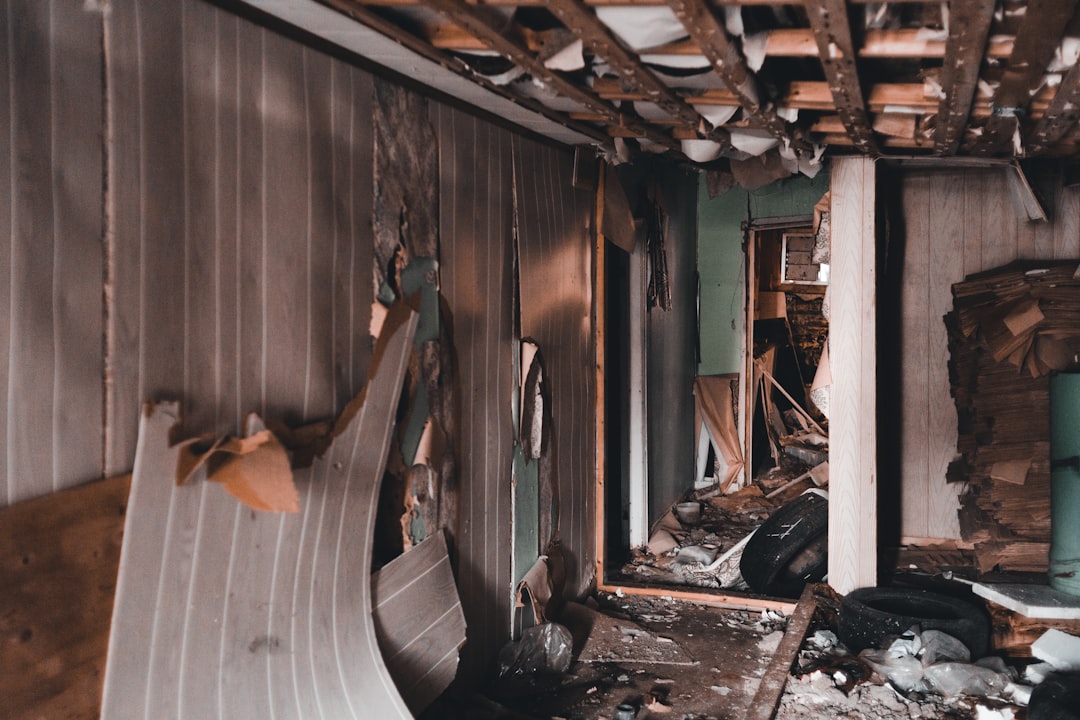
A sudden drip from the ceiling or a puddle on the basement floor can trigger immediate concern for any property owner. Water damage is a pervasive issue that, if not addressed promptly and correctly, can lead to structural compromise, health hazards, and significant financial loss. This guide provides a clear, foundational understanding of how water damage occurs, how to systematically inspect it, and the general principles behind restoring a property to a safe condition.
Understanding the Common Causes of Water Damage
Water damage rarely occurs without a source. Identifying the origin is the critical first step in any effective response. Causes range from sudden, catastrophic events to slow, insidious leaks that go unnoticed for months.
Plumbing System Failures
The network of pipes, fittings, and appliances within your walls and floors is a primary vulnerability. Failures here are among the most common triggers for water damage incidents.
- Burst or Leaking Pipes: Freezing temperatures, corrosion, aging materials, or excessive water pressure can cause pipes to fail, releasing large volumes of water rapidly.
- Appliance Malfunctions: Water heaters, washing machines, dishwashers, and refrigerator ice makers have supply lines and internal components that can degrade and leak over time.
- Fixture Failures: Worn-out seals or gaskets in toilets, sinks, and showers can lead to persistent, hidden moisture that damages subfloors and cabinetry.
Weather-Related and External Intrusion
The exterior of a property is its first line of defense against the elements. When this defense is breached, water finds a way inside.
- Roof Leaks: Damaged or missing shingles, compromised flashing around chimneys or vents, and clogged gutters can direct rainwater into attics and interior ceilings.
- Foundation Cracks: Hydrostatic pressure from saturated soil can force water through cracks in basement walls or slab foundations, leading to persistent dampness and flooding.
- Window and Door Seal Failure: Degraded caulking and weather stripping allow driven rain to seep into wall cavities, promoting mold growth and wood rot.
Internal System Overflows and Condensation
Not all water damage comes from a broken pipe or a storm. Everyday activities and system imbalances can also create problematic moisture.
- Sewage or Drain Backups: Blockages in the main sewer line or individual drains can cause contaminated water to overflow from toilets, sinks, and floor drains.
- HVAC Issues: Poorly maintained air conditioning units can produce significant condensation. If drain pans overflow or drain lines clog, this water can damage ceilings and walls.
- Humidity Accumulation: In poorly ventilated areas like bathrooms, crawl spaces, and laundry rooms, excessive humidity can condense on surfaces, simulating a leak and fostering mold.
A Systematic Approach to Water Damage Inspection
Once you discover moisture, a thorough inspection is essential to understand the full scope of the problem. Safety is paramount; always turn off electricity to affected areas before proceeding.
Step 1: Locate and Stop the Source
Your immediate priority is to stop the flow of water. This may involve shutting off the main water supply to the property or the local valve for a specific appliance. For roof leaks, placing a bucket and using a tarp as a temporary cover can mitigate further intrusion until permanent repairs are made.
Step 2: Document the Damage for Records
Before moving or touching anything, take comprehensive photographs and videos of all affected areas, belongings, and the apparent source. This visual documentation is crucial for insurance claims and for restoration professionals to assess the initial conditions.
Step 3: Assess Moisture Penetration and Material Impact
Water follows the path of least resistance and can travel far from the original leak. A proper inspection looks beyond surface stains.
- Check for Visible Staining and Warping: Look for discoloration on ceilings and walls, buckling hardwood floors, and swollen baseboards or cabinetry.
- Feel for Dampness and Soft Spots: Use your hand (with gloves for safety) to feel walls, drywall, and subflooring. Soft, spongy areas indicate significant saturation and structural compromise.
- Inspect Hidden Cavities: Pay special attention to areas behind walls, under carpets, and inside closets or cabinets that share a wall with plumbing. Moisture meters, available at hardware stores, can detect elevated moisture levels within materials non-invasively.
Step 4: Identify Potential Contamination
Not all water is created equal. The source dictates the contamination level, which directly impacts safety protocols and restoration complexity.
- Category 1: “Clean Water”: From a broken supply line or overflowing sink. Initially poses no substantial health risk but can degrade to Category 2 if left untreated.
- Category 2: “Gray Water”: Contains significant chemical or biological contaminants (e.g., dishwasher overflow, washing machine discharge). Can cause discomfort or illness if contacted.
- Category 3: “Black Water”: Grossly unsanitary, containing harmful pathogens (e.g., sewage, floodwater from rivers). Requires specialized protective equipment and remediation techniques.
General Principles of Water Damage Restoration
Effective restoration is a multi-phase process focused on removing moisture, cleaning contaminants, and restoring the property. For anything beyond minor, clean-water incidents, engaging certified restoration professionals is strongly advised.
Phase 1: Water Extraction and Drying
The goal is to remove standing water and reduce humidity to prevent secondary damage like mold growth. This phase requires industrial-grade equipment.
- Submersible Pumps and Wet/Dry Vacuums: Used for removing large volumes of standing water from basements or rooms.
- High-Velocity Air Movers: These fans create airflow across surfaces, accelerating the evaporation of moisture from carpets, walls, and contents.
- Dehumidifiers: Critical for pulling evaporated moisture from the air, lowering the overall humidity to a level where microbial growth cannot thrive. Professionals monitor moisture levels in materials to determine when drying is complete.
Phase 2: Cleaning, Sanitizing, and Deodorizing
Once the structure is dry, all affected areas and salvageable belongings must be cleaned. The methods depend on the contamination category.
- Antimicrobial Treatments: Applied to structural surfaces to eliminate mold and bacterial colonies and prevent future growth.
- Content Cleaning: Furniture, drapes, and personal items may be cleaned on-site using specialized techniques or taken to an off-site facility for restoration.
- Odor Neutralization: Lingering odors from contamination are addressed through techniques like thermal fogging or hydroxyl generators, which break down odor molecules at the source.
Phase 3: Repair and Reconstruction
This final phase involves repairing or replacing building materials to return the property to its pre-damage condition. It often overlaps with the drying phase as unsalvageable materials are removed.
- Demolition and Removal: Severely damaged drywall, insulation, flooring, and structural members are safely removed to prepare for rebuilding.
- Structural Repairs: This can include replacing subflooring, studs, or joists to ensure the building’s integrity.
- Rebuilding and Finishing: Installing new drywall, painting, laying new flooring, and reinstalling trim and fixtures completes the restoration process.
Navigating the Path Forward After Water Damage
Facing water damage can be overwhelming, but a structured understanding of causes, inspection, and restoration basics empowers you to take informed action. The speed of your response is the single greatest factor in limiting the severity and cost of the damage. For minor incidents, immediate water removal and drying may suffice. However, for significant flooding, gray water, or black water scenarios, the complexity of proper drying, decontamination, and repair necessitates professional expertise.
A reputable restoration company brings not only industrial equipment but also a critical understanding of building sciences, health protocols, and insurance processes. They can ensure hidden moisture is addressed, preventing costly future problems like mold infestation or structural decay. By combining the foundational knowledge outlined here with professional assessment when needed, you can effectively manage a water damage event and restore the safety and integrity of your property.
- The 2026 Aviation Training Guide – 23/04/2026
- The 2026 Home Water Purity Guide – 22/04/2026
- The Business Mobile Solutions Guide – 20/04/2026

Leave a Reply