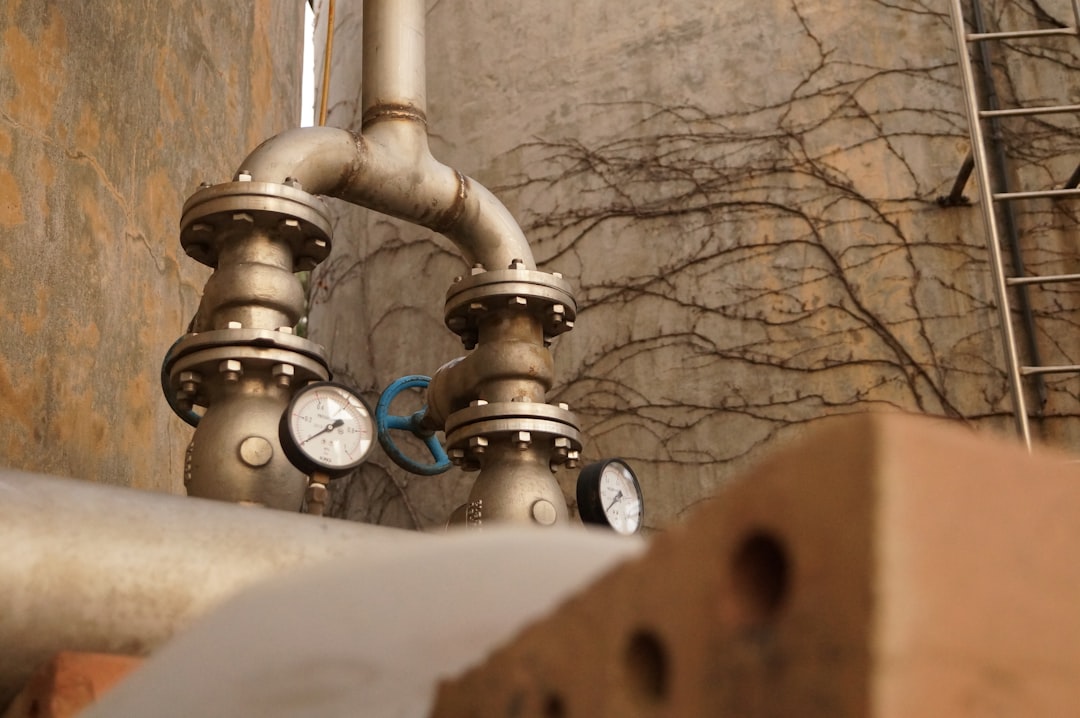
The quality of water flowing from your tap is a cornerstone of daily life, impacting everything from the taste of your morning coffee to the longevity of your appliances. For many homeowners, navigating the world of water filtration can feel overwhelming, with a dizzying array of systems, technologies, and claims. This guide cuts through the complexity, providing a clear breakdown of the primary system types, their key features, and the practical considerations for selecting the right solution for your home.
Understanding Your Water: The First Critical Step
Before investing in any system, understanding what you’re filtering out is essential. Municipal water reports offer a starting point, but they don’t reflect what comes out of your specific faucet, which can be affected by aging pipes or local infrastructure.
A professional water test provides the most accurate picture. It identifies specific contaminants, allowing you to match a system’s capabilities to your actual needs rather than making a guess.
Common Contaminants and Concerns
Water issues generally fall into a few categories:
- Taste and Odor: Chlorine, sulfur (rotten egg smell), or metallic tastes are common complaints addressed by many filters.
- Sediment and Particles: Rust, sand, or silt can cloud water and damage plumbing fixtures and appliances.
- Chemical Contaminants: This includes pesticides, herbicides, volatile organic compounds (VOCs), and chlorine byproducts that may be present in some water supplies.
- Heavy Metals: Lead, mercury, and arsenic are serious health concerns that require specific filtration technologies for effective removal.
- Hardness Minerals: Calcium and magnesium cause scale buildup in pipes, water heaters, and on glassware, which is a mechanical issue rather than a purity one.
A Guide to Primary Water Filtration System Types
Water filtration systems are broadly categorized by their point of use—where they treat the water. Each type serves a distinct purpose and scale.
Point-of-Use (POU) Systems
These systems treat water at a single outlet, such as a kitchen sink, shower, or refrigerator line. They are typically more affordable and easier to install.
- Pitcher and Faucet-Mount Filters: Ideal for improving taste and odor and reducing basic contaminants like chlorine. They offer convenience and low cost but have limited capacity and filter life.
- Countertop Filters: Connect to the faucet via a diverter valve. They often provide better filtration than pitcher models and don’t require under-sink space.
- Under-Sink Filters: Installed beneath the kitchen sink, these systems provide dedicated filtered water through a separate faucet. They can house more advanced multi-stage filters for comprehensive contaminant reduction without taking up counter space.
- Shower Filters: Specifically designed to remove chlorine and chloramines, which can dry out skin and hair and may be inhaled as vapor during a hot shower.
Point-of-Entry (POE) / Whole-House Systems
These units are installed where the main water line enters the home, treating all water for every faucet, shower, and appliance. They address whole-home concerns.
- Whole-House Sediment Filters: Act as a first line of defense, removing sand, rust, and other particulates to protect plumbing and downstream filtration devices.
- Whole-House Carbon Filters: Reduce chlorine, bad tastes, odors, and some chemicals from all the water in the house, benefiting laundry, bathing, and cooking.
- Water Softeners: Technically conditioners rather than filters, these systems use ion exchange to remove calcium and magnesium ions that cause hard water, preventing scale buildup.
- Whole-House Reverse Osmosis Systems: Less common due to cost and water waste considerations, these provide comprehensive filtration for the entire home’s supply.
Key Filtration Technologies and Features
Within these system types, different technologies target specific impurities. Understanding these core mechanisms is crucial for evaluating a system’s capabilities.
Core Filtration Methods
- Activated Carbon: The workhorse of filtration. Porous carbon attracts and traps contaminants like chlorine, VOCs, and bad tastes through adsorption. It is found in most pitcher, under-sink, and whole-house systems.
- Reverse Osmosis (RO): A highly effective multi-stage process. Water is forced through a semi-permeable membrane that blocks up to 99% of dissolved solids, including heavy metals, fluoride, and salts. RO systems typically include pre-filters (sediment, carbon) and a post-filter.
- Ion Exchange: Primarily used in water softeners, this technology swaps hardness ions (calcium, magnesium) for sodium or potassium ions. Some specialty filters use it to remove heavy metals like lead.
- Sediment Filtration: A simple mechanical barrier, usually a pleated polyester or string-wound filter, that strains out visible particles. It is often used as a pre-filter to protect more advanced systems.
- Ultraviolet (UV) Purification: Uses UV light to disinfect water by inactivating bacteria, viruses, and other microorganisms. It does not remove chemical contaminants or particles.
Important Performance and Maintenance Features
Beyond the core technology, several features impact long-term satisfaction and cost of ownership.
- Certifications: Look for independent certifications from NSF/ANSI or the Water Quality Association. These verify that a system performs as claimed against specific contaminants.
- Flow Rate: For POE and under-sink systems, ensure the gallons-per-minute (GPM) rating meets your household’s peak demand to avoid a trickle at the tap.
- Filter Life and Replacement Cost: Consider the schedule and expense of filter changes. Some systems have indicator lights; others require manual tracking.
- Waste Water Ratio (for RO): Traditional RO systems send several gallons of wastewater to the drain for every gallon purified. Newer, more efficient models have improved this ratio significantly.
- Installation Requirements: Assess the needed space, plumbing modifications, and electrical outlets (for UV, some RO systems). Professional installation is recommended for most POE systems.
Selecting the Right System: A Practical Framework
With the fundamentals in hand, you can approach the selection process systematically. The right choice balances your water quality goals with your budget and household setup.
Aligning System Type with Household Needs
- For Comprehensive Drinking Water Quality: An under-sink reverse osmosis system is often the gold standard, providing exceptionally pure water for cooking and drinking.
- For Whole-Home Taste, Odor, and Chlorine Removal: A whole-house carbon filtration system improves water for every use, from showering to laundry.
- For Hard Water Problems: A water softener is the specific solution to prevent scale, extend appliance life, and reduce soap scum.
- For Basic Taste Improvement on a Budget: A quality faucet-mount or pitcher filter with NSF certifications can be a very effective starting point.
- For Bacterial or Microbial Concerns: A UV purification system, often paired with pre-filtration, provides disinfection without chemicals.
Critical Considerations Before Purchase
Avoid common pitfalls by asking these questions:
- What specific contaminants does my water test report indicate need reduction?
- What is the total cost of ownership over five years, including initial purchase, installation, and regular filter replacements?
- Do I have the adequate space and proper plumbing for the system I’m considering?
- Is the system certified by a reputable third party for the contaminants I care about?
- What is the system’s flow rate, and will it meet my household’s needs during high-use times?
The journey to better water begins with knowledge. By starting with a water test, understanding the different system types and technologies, and honestly assessing your household’s needs and constraints, you can move beyond confusion to a confident decision. The optimal system is the one that effectively addresses your unique water profile, fits seamlessly into your home, and provides reliable, high-quality water for years to come.
- The 2026 Aviation Training Guide – 23/04/2026
- The 2026 Home Water Purity Guide – 22/04/2026
- The Business Mobile Solutions Guide – 20/04/2026

Leave a Reply